Basic Materials for an Altar.
As you begin your journey into witchcraft, one of the first steps is to establish a sacred space for your practice. This is typically done by setting up an altar—a dedicated surface where you can focus your intentions, perform rituals, and connect with spiritual energies. The items you select for your altar can be simple or elaborate, but each holds both symbolic and practical meaning.
Altar Cloths.
Altar cloths serve to protect your altar’s surface and define the sacred space. Choose cloths in colors or patterns that reflect the season, the ritual’s purpose, or your personal style. For example, use a green cloth for spring rituals or a deep purple one for intuition and psychic work. Sarongs, scarves, or hand-embroidered fabrics are all suitable, allowing you to personalize your altar and infuse it with your energy.
Beverages.
Placing beverages on your altar is a way to honor the elements and the spirits you work with. These can include spring water, fruit juices, herbal teas, wines, or liqueurs. During rituals, you may offer a drink to deities, ancestors, or nature spirits, or consume it yourself for grounding or celebration. For instance, apple cider is fitting for autumn rituals, while red wine can symbolize life force during a full moon ceremony.
Candles.
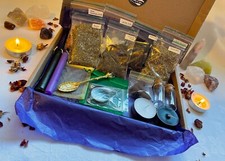
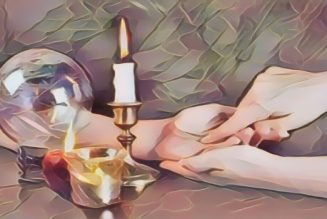
Candles are essential for altar work, representing the element of fire and providing illumination and focus. Use votive, taper, jar, shaped, or tea light candles in various colors, each corresponding to a specific intention. Green candles are used for prosperity, blue for healing or peace. Natural tallow and beeswax candles are valued for their purity, but white candles are always a reliable choice. If you need a specific color, you can color a white candle with crayons or tie a ribbon of the desired color around its base.
Charcoal Disks.
Charcoal disks are necessary if you plan to burn resin incenses like copal or dragon’s blood. These disks heat the resin, releasing fragrant smoke during rituals. Always use a heatproof dish or cauldron, and wait until the disk is fully ashen before adding incense.
Cloths.
Besides altar cloths, keep several cotton cloths in solid colors for spell work. Use them to wrap tarot cards, crystals, or stones, hold herbs, or create poppets and dream pillows. For example, wrap a crystal in a blue cloth for calmness, or use a red cloth in a love spell.
Cords.
Cords are used to represent different paths or to bind intentions. The color of the cord signifies your focus: gold for energy work, red for nature’s power, black for dedication to the Goddess and God. Cords can be braided to combine energies or used in knot magic, where each knot represents a specific intention. For example, use a green cord for prosperity or a white cord for purification.
Glass Bottles.
Glass bottles are useful for storing herbs, oils, moon water, and other magical ingredients. They can also be used for spell jars or offerings. Cleanse bottles with spring water and sea salt before use. For example, fill a vial with rose petals and lavender for a love charm, or with salt and protective herbs for a warding spell.
Herbs.
Keep a variety of labeled herbs for spells, teas, or incense blends. Common magical herbs include rosemary for protection, lavender for peace, basil for prosperity, and sage for purification. You may grow, forage, or purchase herbs from reputable sources.
Incenses.
Incense purifies the space, raises energy, and carries intentions to the spiritual realm. Use stick, cone, or resin incenses in different fragrances, each with its own magical correspondence. Sandalwood is used for meditation, frankincense for spiritual work. If using resin incense, charcoal disks are required. Light incense, let the flame catch, then blow it out so only smoke remains.
Matches.
Matches or lighters are needed to light candles and incense. Long stick matches are helpful for deep jars or cauldrons, but any reliable flame source will work.
Musical Instruments.
Music is a powerful ritual tool, helping to raise energy, focus the mind, and create a sacred atmosphere. Instruments such as drums, bells, flutes, harps, sistrums, cymbals, and rattles can mark the start and end of rituals, accompany chanting, or shift the energy in your space. Even a simple bell or handmade shaker is effective.
Oils.
Essential oils are used to anoint candles, tools, or yourself, and to create custom blends for specific magical purposes. Common oils include rosemary for clarity, sandalwood for spiritual connection, lavender for peace, benzoin for purification, rose geranium for love, frankincense for protection, pine for grounding, juniper for cleansing, and mint for energy. Always dilute essential oils with a carrier oil such as olive, sunflower, almond, jojoba, or coconut before applying to the skin. Avoid cinnamon oil, as it can cause burns. If you lack a specific oil, substitute with the whole herb—for example, press a clove into your clothing instead of using clove oil, or rub a basil leaf on a candle instead of basil oil. Making essential oils is complex, but you can easily create infused oils by steeping herbs in a carrier oil for one lunar month.
Salt.
Salt is a powerful purifying and protective agent. Use sea salt or rock salt in rituals, spell work, cleansings, and for casting circles. Sprinkle salt around a space to create a boundary, or add it to water for cleansing tools and crystals.
Spring Water.
Spring water is valued for its purity and natural energy. Collect it from a natural spring or purchase it if needed. Use spring water for cleansing, blessing, and as an offering in rituals. It is often combined with salt to create holy water for purification.
Stones.
Crystals, semi-precious stones, river stones, and earth stones are used for their unique energies in spells, healing, and aura work. For example, amethyst is for spiritual protection, quartz for amplification, and black tourmaline for grounding. Place stones on the altar, carry them as talismans, or use them in grids to focus energy.
Threads.
Threads or embroidery floss in various colors are used for tying magical works, such as binding spells, creating charm bags, or marking ritual completion. Each color corresponds to a different intention, such as red for passion, green for growth, or blue for communication.
Tiles and Trivets.
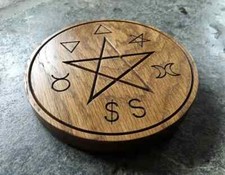
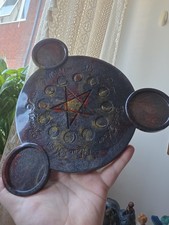
Tiles or trivets are practical for your altar, providing a heatproof surface for hot items like cauldrons, incense burners, or candle holders. This protects your altar and ensures safety.
As you gather these materials, remember that your altar should reflect your personal path and intentions. There is no single correct way to set up an altar—let your intuition and creativity guide you, and allow your sacred space to evolve as your practice deepens.