In witchcraft, an altar is a special space used for rituals, spellwork, and magical practice. It is where the physical and spiritual worlds come together. The altar helps the practitioner focus energy, honor deities, and set intentions.
The altar is usually placed at the center of the ritual circle. This circle is an energetic boundary created by the witch or group. The altar’s central position shows its importance as a connection point between the practitioner, the divine, the elements, and nature’s cycles.
An altar can be any flat surface that feels meaningful. It might be a table, shelf, tree stump, large stone, or even a cloth on the ground. Some witches use antique chests or small cabinets. The shape—square, round, or irregular—can be chosen based on tradition, personal taste, or the ritual’s purpose.
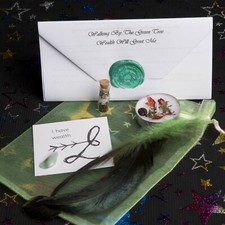
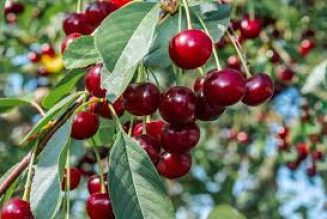
Witches decorate their altars with scarves, altar cloths, or natural items that match the season or ritual. For example, green cloth and fresh flowers are used in spring, while orange and gold are used at harvest. Crystals, feathers, shells, and seasonal fruits are also common.
The material of the altar matters in many traditions. Wood is popular—oak stands for strength, willow for intuition and the sacred feminine. Altars can also be made from stone, metal, or any material that feels right. What matters most is that the altar is consecrated, or charged with magical energy and intention.
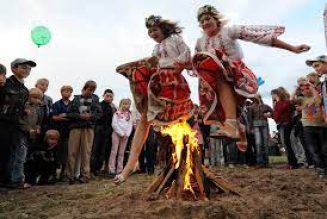
In outdoor rituals, witches may use natural features as altars, like a flat rock, tree stump, or the earth itself. Sometimes a bonfire or cauldron is used, with tools arranged around it. This flexibility shows the witch’s connection to the land and elements.
Some witches set up and take down their altars for each ritual. Others keep a permanent altar at home. Permanent altars may also serve as shrines to deities, ancestors, or spirits, and are often used for meditation, prayer, or storing magical tools.
The arrangement of items on the altar is intentional. Tools and symbols are often placed according to the four directions and their elements: Earth in the North, Air in the East, Fire in the South, and Water in the West. For example, a pentacle or salt in the North, incense in the East, a candle in the South, and a chalice of water in the West.
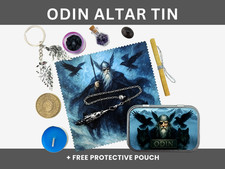
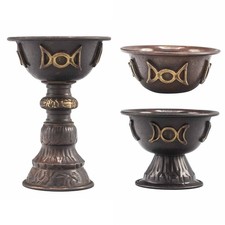
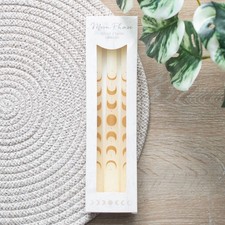
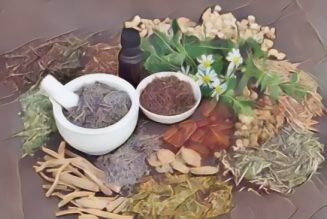
Common altar tools include the athame (ritual knife), wand, chalice, pentacle, cauldron, candles, crystals, and offerings like bread, wine, or flowers. Each tool has its own meaning and is used to direct energy, call on deities, or represent the elements.
Some witches follow traditional altar setups, such as those in Wicca or ceremonial magic. Others create personal arrangements that reflect their own path and beliefs. The altar may also include photos, written prayers, or personal items.
The altar is more than a ritual tool. It is a place for reflection, creativity, and spiritual growth. By caring for the altar—cleaning it, changing decorations with the seasons, and spending time there—the witch strengthens their connection to their practice and the energies they work with.
In the end, the altar is a living, changing space that reflects the witch’s journey. Whether simple or elaborate, permanent or temporary, it is a powerful tool for focusing intention, honoring the sacred, and creating change.