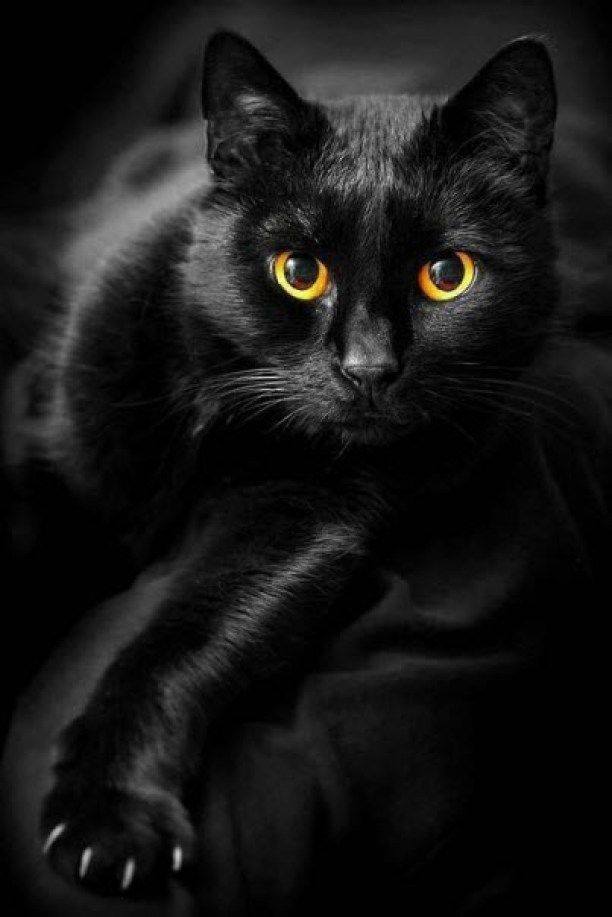
Throughout history, black cats have often been linked to omens of death and misfortune. This belief is rooted in a variety of myths, legends, and cultural traditions from around the world.
In ancient Greece, for example, the myth of Galinthias tells of a servant who angered Hera, the wife of Zeus. As a result, Hera transformed Galinthias into a black cat and sent her to the underworld, where she became a priestess of Hecate—the goddess associated with magic, death, and the night. Because Hecate was often depicted with black cats, these animals became symbols of mystery and the supernatural.
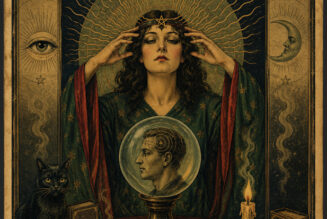
During the Middle Ages in Europe, black cats became even more closely associated with witchcraft and death. Many people believed that witches could transform into black cats or keep them as companions, known as familiars. The presence of a black cat was sometimes considered evidence of witchcraft, and by extension, a sign of misfortune or impending death. This superstition led to the persecution of both black cats and those accused of practicing witchcraft.
However, not every culture viewed black cats in a negative light. In ancient Egypt, for instance, cats—including black ones—were highly respected and seen as symbols of protection and good luck. Even today, some cultures regard black cats as bringers of good fortune or as protective spirits.
The connection between black cats and omens of death is complex, shaped by centuries of myth, fear, and symbolism. While these beliefs have changed over time, black cats continue to hold a special place in folklore—sometimes feared, sometimes admired, but always intriguing.