If Appalachian Granny Magic appeals to you, the best approach is not necessarily to attempt to become an “Appalachian Granny Witch.”
Instead, consider why the tradition appeals to you.
Perhaps it is the simplicity.
Perhaps it is the closeness to nature.
Perhaps you like the idea of magic being practised around the home rather than inside an organised religious structure.
Perhaps you appreciate traditions passed between generations.
These principles can inspire your own solitary practice without requiring you to claim somebody else’s cultural identity.
Begin with your home.
Your kitchen is one of the oldest magical spaces imaginable.
Cooking transforms ingredients.
Bread rises.
Water boils.
Herbs release their fragrance.
Seeds become meals.
For centuries these perfectly ordinary processes have inspired magical symbolism.
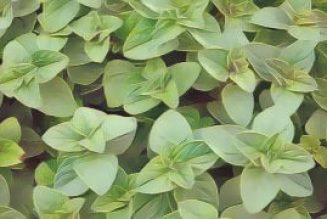
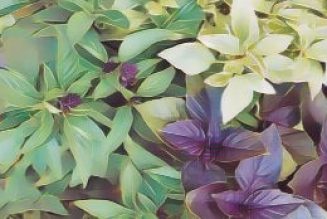
Your garden, balcony or windowsill can become another magical space.
Grow herbs.
Learn their folklore.
Notice when they flower.
Observe which insects visit them.
Keep a seasonal diary.
Next, explore your local landscape.
Choose somewhere you can visit regularly.
It might be woodland, a riverbank, a park or simply an old tree.
Visit throughout the year.
Notice what changes.
Which plants appear first in spring?
When do the leaves begin turning?
Which birds remain during winter?
Over several years, you will begin developing something extremely valuable:
your own knowledge of place.
Create your own charms rather than copying everything from books.
Perhaps you find an interesting stone during an important walk.
Keep it.
Let it represent that moment.
Perhaps you grow rosemary successfully for several years.
Use a little dried rosemary in your personal remembrance rituals.
Perhaps you hear owls regularly during autumn.
Allow the owl to become part of your personal symbolism for that season.
Keep records.
A Witch’s journal can become your own family book of folklore.
Record dreams, unusual experiences, recipes, rituals, weather observations, successful workings and unsuccessful experiments.
Over years, something interesting happens.
You stop merely studying Witchcraft.
You begin accumulating a Witchcraft of your own.
That may ultimately be the greatest lesson offered by Appalachian folk magic.
Traditions survive because people practise them.
They change because people change.
Some things are forgotten.
Other things are rediscovered.
And new customs inevitably appear.
For the solitary Pagan Witch, there is considerable freedom in recognising this.
Respect history without becoming imprisoned by it.
Respect living cultures without taking traditions that are not yours.
Learn from old folk practices while remaining willing to create new ones.
Above all, allow your Witchcraft to develop from your actual relationship with nature, home, ancestors and landscape.
You do not need somebody else’s mountain.
You do not need somebody else’s ancestors.
And you certainly do not need somebody else’s permission.
Wherever you happen to live, there is earth beneath your feet, weather above your head, seasons turning around you and generations of local stories waiting to be discovered.
That is more than enough ground upon which a solitary Pagan Witch can begin building a living folk practice of their own.