Lamps and lanterns are often seen as symbols of life, divine light, immortality, intellect, guidance, and important transitions. Lighting or extinguishing a lamp can represent the beginning or end of a life. Because lamps bring light to darkness, they are also associated with truth and wisdom. The pottery or earthenware lamp is sometimes used to symbolize humanity itself. The oil inside the lamp provides the energy needed for the flame, and when the lamp is lit, it is said that the spirit of the lamp is present in the flame. Lamps appear in many myths and legends, and they are sometimes used in divination. In Tarot, the ninth card, known as the Hermit, is depicted holding a lantern to guide the Fool on their journey. The presence of light is often seen as a source of confidence and a reminder to use good judgment.
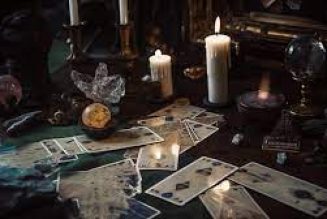
In paganism, witchcraft, and magickal traditions, lamps and lanterns serve as powerful ritual tools. Practitioners often use lamps to represent the element of fire and to invoke spiritual illumination during ceremonies. Lighting a lamp at the start of a ritual is believed to invite guidance, clarity, and the presence of helpful spirits or deities. In spellwork, lamps may be dressed with oils and herbs to focus intent, and the steady flame is used to manifest desires, attract abundance, or banish negativity. Lanterns are frequently placed at doorways or windows to protect the home and ward off unwanted energies. For divination, a lamp’s flame can be used for scrying, helping practitioners receive visions or messages from the spiritual realm. Whether for manifestation, protection, or insight, lamps and lanterns remain enduring symbols and practical tools within modern magickal practice.