The Moon has been deeply respected by cultures throughout history. This respect is largely due to the Moon’s clear and direct connection to natural cycles, especially its strong influence on the world’s seas and oceans. The Moon’s gravitational pull causes the tides to rise and fall in a steady rhythm. Ancient people observed these tides with fascination, recognizing their importance. The oceans, shaped by these lunar tides, were seen as the birthplace of all life on Earth.
The link between the Moon and the tides goes beyond just moving water. Early observers noticed that many sea creatures, such as shellfish, timed their spawning and mating to match the tidal cycles. These animals also renewed their shells and scales in sync with the Moon’s phases, which helped them grow and stay protected.
High tide during the Full Moon was considered a special time. Oysters would open their shells, making them easier to collect. Fish and shrimp were also more plentiful and accessible during this period. These patterns gave ancient communities reliable opportunities to gather food, strengthening the idea of the Moon as a powerful and helpful force.
The Moon’s influence was not limited to the ocean. Ancient civilizations also saw that land animals were affected by the lunar cycle. During the Full Moon, animals like deer, wolves, big cats, birds, and rodents were more active and visible. They often changed their behavior, becoming more energetic, aggressive, or focused on mating. Hunters learned to watch the Moon’s phases to better predict animal movements.
Practical experience revealed even more connections. Hunters found that game animals bled more when the Moon was waxing toward fullness. This detail was important for livestock farmers, who needed to slaughter animals efficiently and humanely. Knowing the best time for this task, based on the Moon’s phase, helped farmers improve their results.
This knowledge was useful in other ways, too. By understanding when animals lost the most blood, farmers could also choose the best times for procedures like dehorning and castration, when minimal blood loss was important. Reducing blood loss helped keep livestock healthy and strong, which was vital for food, work, and the community’s well-being.
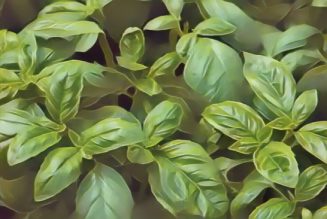
The Moon’s cycles also affected plants. Farmers noticed that planting and harvesting at certain lunar phases could improve crop health and yield. For example, root crops like onions, garlic, and carrots did best when planted from the Full to Waning Moon. Crops that reseeded themselves, such as some grains and wildflowers, grew better when sown from the Dark to Waxing Moon. Plants that produced seedpods and berries, like beans and raspberries, gave larger harvests when planted between the Waxing and Full Moon.
One of the most important discoveries was that crops rarely thrived when planted during the transition from Waning to New Moon. This time, often called the “downhill slide” of the lunar cycle, became ideal for tasks like weeding, pest control, and general maintenance—chores that might be overlooked during busy planting and harvesting times.
In summary, the Moon’s cycles have always been closely linked to the rhythms of nature, shaping the behavior of the seas, animals, and plants. By observing these patterns, ancient people gained a deeper understanding of their world. This knowledge laid the groundwork for many practices and traditions that continue to influence witchcraft and nature-based spirituality today.