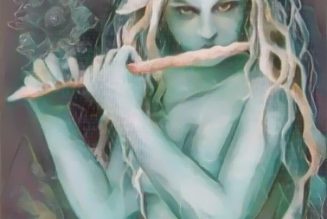
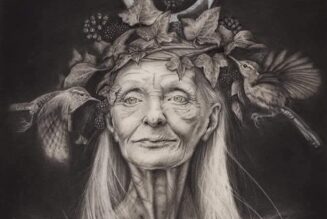
In German and Scandinavian mythology, the Alrunes—also called Alrauns or Alruna women—are mysterious figures. They are often described as powerful sorceresses or supernatural women who can change their shape.
Their story begins in early Germanic folklore, where they were sometimes seen as wise women, seers, or even as female spirits. Some legends say the Alrunes were the mystical mothers of the Huns, showing how people believed they could influence the fate of entire groups.
The Alrunes were known for their magical skills, such as shape-shifting, divination, and the ability to give blessings or curses. In some stories, they are linked to the mandrake root—a plant thought to have strong magical powers and often carved to look like a woman. Alrunes were believed to act as go-betweens for the human and spirit worlds, offering guidance, protection, or sometimes misfortune.
Even in the 19th century, especially in rural parts of Germany and Scandinavia, people made small statues to represent the Alrunes. These figures were kept at home, dressed in fine clothes, and given food and drink, because it was believed they could bring prosperity and protection to the family.
Many believed the Alrunes could answer questions about the future, often by moving their heads in response. This made them highly valued, but also feared. If the Alrune was neglected or angered, people thought the statue would cry out, warning of bad luck for the household.
Over time, the legend of the Alrunes has shaped folklore, literature, and magical practices throughout Central and Northern Europe. Their story continues to reflect both the fascination and caution people have felt toward the mysterious forces believed to guide their destinies.