Frau Perchta is a notable figure in Alpine and Germanic folklore, sometimes called the “belly slitter” or the Christmas witch. Her story begins in pre-Christian times, when she was honored as a goddess connected to the cycles of nature, household order, and the spinning of flax. As centuries passed, her image changed, blending both pagan and Christian traditions. Today, she is remembered as a figure who inspires both fear and respect during the midwinter season.
According to legend, Frau Perchta can appear in two different forms. She may be seen as a beautiful woman dressed in white, or as an old crone with a beaked nose and wild hair. She is often described as carrying a long knife hidden in her dress. Her actions are closely linked to the Twelve Days of Christmas, especially the night of January 6, known as Perchtennacht. On this night, she is believed to travel through the countryside, visiting homes to check if they are clean and orderly.
Frau Perchta is said to reward those who are hardworking and have finished their spinning and household chores. However, she is also known for her severe punishments. According to folklore, if she finds someone lazy or untidy, she may punish them by slitting open their bellies and filling them with straw and pebbles. This harsh story serves as a warning about the importance of hard work and keeping a tidy home.
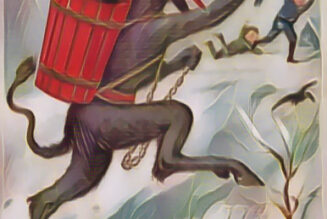
Frau Perchta is also connected to Krampus, another figure from winter folklore. Both are seen as enforcers of good behavior during the holiday season. While Krampus punishes misbehaving children, Frau Perchta focuses on laziness and disorder. She is sometimes joined by a group of wild, demonic helpers called the Perchten. These followers, who often wear frightening masks and animal skins, help her carry out justice and drive away evil spirits.
In addition, Frau Perchta is linked to the Wild Hunt, a ghostly procession led by a powerful female spirit. In some stories, she is identified with the Norse goddess Frigg or Holda, which highlights her role as a protector of the home and nature. The Perchtenlauf, or Perchten run, is a traditional event where people dress as Perchten to honor her and bring good luck for the coming year.
The night of January 6 is still important in parts of Austria, Germany, and Switzerland, where people continue to celebrate customs related to Frau Perchta. She represents both reward and punishment, order and chaos, and remains a strong symbol in Alpine folklore. Her story reminds communities of the value of hard work, cleanliness, and respect for tradition.