The Hermetica is a collection of forty-two sacred books known for their mystical wisdom. These works are attributed to Hermes Trismegistus, a legendary figure whose name means “thrice great Hermes.” Hermes Trismegistus represents a blend of the Egyptian god Thoth and the Greek god Hermes, both associated with knowledge, writing, and magic.
The Hermetica was likely written between the third century BCE and the first century CE. These texts have had a significant impact on Western occultism and magical traditions. Their influence can be seen in the practices of ancient magicians, as well as in modern Witchcraft, folk magic, Wicca, and contemporary Paganism.
Many spells, rituals, and esoteric symbols in these modern traditions have roots in Hermetic material. The Hermetica provided a philosophical and magical foundation that practitioners have adapted over time to fit changing spiritual needs and cultural contexts.
While some legends claim that Hermes Trismegistus alone wrote the Hermetica—sometimes described as a grandson of Adam or even the builder of the Egyptian pyramids—most scholars believe these works were created by several authors over time. This allowed the Hermetica to cover a wide range of topics and viewpoints.
Ancient sources say the original Hermetic books were written on papyrus. Clement of Alexandria, who chronicled pagan traditions, described thirty-six of these books as containing all of Egyptian philosophy. These included four books on astrology, ten called the Hieratic that focused on law, ten on sacred rites and observances, two on music, and others on writing, cosmography, geography, mathematics, measures, and priestly training.
The remaining six books focused on medical knowledge, covering the human body, diseases, medical instruments, medicines, the eyes, and women’s health. This shows the Hermetica’s aim to address both spiritual and practical aspects of life.
Unfortunately, most of the Hermetic books have been lost, with many believed to have been destroyed in the burning of the royal libraries of Alexandria. This loss has led to much speculation and legend about what happened to the original texts.
Some stories suggest that the surviving books were hidden in a secret desert location, preserved to this day. According to these legends, only a few initiates from ancient mystery schools—groups dedicated to protecting esoteric wisdom—know where these works are kept.
Despite the loss of most of the Hermetica, fragments and translations of the remaining texts have survived. These have been translated into different languages, allowing the core teachings of Hermetic philosophy to continue inspiring those seeking wisdom.
One of the most important surviving works is The Divine Pymander. This text is made up of seventeen fragments collected into a single volume, preserving many original Hermetic ideas. The Divine Pymander describes how divine wisdom and the secrets of the universe were revealed to Hermes, and how he shared this knowledge with others.
Over time, The Divine Pymander was revised and reinterpreted, especially in the early centuries of the Common Era. Some of its meaning has been lost due to inaccurate translations and the passage of time, but its main ideas remain influential.
The second book within The Divine Pymander, called Poimandres or The Vision, is especially well-known. It tells the story of Hermes’ mystical vision, the creation of the cosmos, and the secret sciences of Egyptian culture, including the spiritual growth of the soul. This narrative has fascinated readers and practitioners for generations.
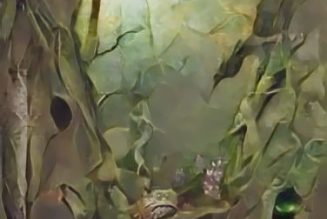
Another key text in Hermetic tradition is the Emerald Tablet, sometimes called the Emerald Table. This short but mysterious work is highly respected in Western occultism. Artistic depictions often show Hermes Trismegistus holding an emerald tablet inscribed with the wisdom of Egyptian philosophy.
According to legend, the Emerald Tablet was found in a cave tomb, held by Hermes Trismegistus himself. The story of its discovery varies: in one version, Sarah, the wife of Abraham, found it; in another, it was discovered by Apollonius of Tyana, a well-known philosopher and mystic.
The tablet was said to be written in Phoenician and to contain magical secrets of the universe. Over time, several Arabic translations appeared, followed by a Latin version by the year 1200. Each translation is different, and the text’s mysterious language has led to many interpretations and debates among scholars and magicians.
The most important idea in the Emerald Tablet is its opening statement: “That which is above is like that which is below and that which is below is like that which is above, to achieve the wonders of the one thing.” This phrase expresses the Hermetic principle of correspondence, which teaches that the microcosm of humanity and the earth reflects the macrocosm of the divine and the heavens.
This principle is central to both astrology and alchemy. It suggests that by understanding the connections between the earthly and the celestial, one can unlock the mysteries of existence and achieve spiritual transformation. Through its surviving texts and enduring legends, the Hermetica continues to guide and inspire those who wish to begin their own journey of magical discovery and self-realization.