Throughout history, mermaids have often been seen as guardians and protectors of women, as well as symbols of intuition and the power of water. They are believed to refresh and renew the spirit, and are sometimes called upon in practices involving water and lunar energies. While mermaids are frequently depicted as female, the term “water nymph” can refer to both male and female spirits. These beings are thought to help awaken deep emotions, compassion, and intuition, and many traditions suggest that everyone has a part of themselves influenced by water spirits.
The origins of mermaid mythology are ancient. One of the earliest known figures is the male sea-god Oannes, also called Ea, who was worshipped by the Babylonians as early as 5000 BCE. Oannes was described as a “great fish of the ocean” and was associated with the sun, believed to rise from and return to the sea each day. He is credited with teaching humanity about the arts and sciences.
The first mermaid recorded in history is the Syrian goddess Atargatis, a moon goddess depicted with a fish’s tail. Fish were sacred to her, and her connection to the moon reflects the relationship between lunar cycles and the tides. This association between mermaids and the moon is a recurring theme in many traditions.
During the rise of Christianity, many pagan deities and supernatural beings, including mermaids, were considered less significant and not seen as a threat to the new faith. However, some historical records suggest that the Church acknowledged mermaid legends, as seen in ancient manuscripts and illustrations.
Mermaids have come to symbolize femininity, beauty, sexuality, and fertility. In Christian art, however, they were sometimes used as warnings against vanity, pride, and lust. Early Irish and medieval Christian art often depicted mermaids to caution against these perceived sins.
The concept of Mer-Magick is rooted in ancient traditions, where mer-people were believed to work with the magical essence of the moon. Mer-Magick was associated with transformation and shape-shifting, and its practices have largely faded over time. The energy of Mer-Magick is thought to be present in the sounds, tastes, and movements of the sea, as well as in the reflection of the moon on water. Anything connected to the ocean is considered a potential source of this magical power.
Mer-Magick is believed to be most powerful during the Full Moon, which occurs about 14 days after the New Moon. The energy of the Full Moon is said to last from three days before to three days after the actual event. This period is considered ideal for practices involving prophecy, protection, divination, love, wisdom, manifesting goals, passion, healing, strength, and empowerment.
The colors commonly associated with Mer-Magick include aqua, blue, cream, and sea foam green. When working with the astrological sign Cancer, silver and white are also used, representing emotions, influence, fertility, and lunar energy. For Pisces, sea green and mauve are typical, with energies related to spirituality, psychic development, and past-life exploration. Scorpio is linked to dark red, symbolizing intensity, stability, fertility, and secrets.
Monday is traditionally considered the day most closely connected to Mer-Magick, aligning with the moon’s influence. Any day during the Full Moon phase is also thought to enhance magical workings related to the sea and lunar energies.
Working with the tides is seen as an important aspect of Mer-Magick. Drawing energy is often done during the incoming high tide, while banishing or releasing is associated with the outgoing tide. For example, rituals to attract love, prosperity, or power are typically performed as the tide comes in. Practices for strength and growth are done at high tide, and cleansing or letting go of unwanted influences is performed as the tide goes out. Balancing and focusing rituals are often done at low tide, when the waters are calm and clear.
The planetary hours associated with Mer-Magick are 9 am to noon and 9 pm to midnight. These times are considered favorable for activities such as gardening, seeking support from women, attending to family matters, artistic pursuits, starting journeys, or beginning new ventures.
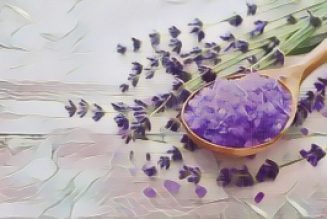
Several gems are traditionally linked to Mer-Magick, including pearl, shell, emerald, coral, lapis, blue crystal, jade, and opal. Herbs such as bladderwrack, Atlantic kelp, Norwegian kelp, sea salt, Irish moss, agar, algae, and seaweed are also commonly used in related practices.
In summary, the traditions and symbols of mermaids and Mer-Magick offer a rich history of connection to water, the moon, and the cycles of nature. These practices emphasize intuition, renewal, and the rhythms of the natural world, providing a framework for those interested in exploring this path.