In traditional witchcraft, the concept of the Fetch-Beast—sometimes called the Fetch-Wife—plays an important role. This entity is often described as the Underworld Self, representing a deep, instinctual part of the witch’s psyche. For example, in the Briar Rose tradition, this Underworld Self is symbolized by the Dragon, a powerful force that connects the practitioner to the spiritual underworld. Many witches experience the Fetch-Beast as a living presence that offers guidance and protection during spiritual work.
There is also a third type of Fetch, which is closely linked to shape-shifting practices. In folklore, this Fetch is often represented by a physical object, such as a piece of skin or fur from the animal the practitioner wishes to become. This object acts as a magical link for transformation. For instance, in Irish and Scottish selkie legends, a seal’s skin is used to enable the transformation between human and seal. Similar motifs appear in other cultures, showing a widespread belief in the power of physical objects to facilitate magical change.
In these stories, the transformation is complete—the practitioner becomes the animal by wearing its skin. This idea is also found in other shape-shifting traditions, where animal skins, fur, or feathers are used. Today, some practitioners use animal tokens or symbolic items in rituals to connect with the spirit or qualities of a chosen creature.
In modern magical practice, the term “Fetch” most often refers to a thought-form or constructed entity. This type of Fetch is created with a specific purpose in mind, such as finding a lost object, seeking out a person, or performing a task for the practitioner. The Fetch is shaped by focused intention and energy, guided by the witch’s will and imagination.
Ceremonial magicians use a similar technique, though they may call these entities servitors or thought-forms. In ceremonial magick, these constructs are usually seen as tools or extensions of the magician’s will—like astral assistants programmed for specific tasks. The main difference is that, in witchcraft, the Fetch is often viewed as a living, semi-autonomous being, while in ceremonial magick, it is considered a temporary, non-sentient construct.
Creating a Fetch begins with gathering and focusing energy. This step is essential, as the Fetch serves as a vessel for the practitioner’s intent and is animated by the energy invested in it. Energy can be drawn from the earth, the elements, or the practitioner’s own life force, depending on tradition and preference.
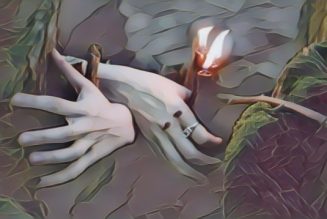
There are several ways to concentrate energy. For those working alone, a common method is to visualize a sphere or ball of light between the hands. The practitioner channels energy from their core—often imagined as the solar plexus or heart center—through the arms and into the space between the palms. This is done with rhythmic breathing and a clear sense of purpose, gradually building the energy until it feels strong and tangible.
The practitioner continues to infuse the ball of light with energy, maintaining focus and intention. The process is complete when the energy feels dense, vibrant, and almost physical—an unmistakable sign that the Fetch is ready to be shaped.
At this point, the practitioner shapes the energy into a specific form. The form should be chosen ahead of time, based on the Fetch’s intended purpose. Animal forms are common, as they are believed to carry qualities that suit the task. For example, a fox-shaped Fetch might be used for cunning, while a bird-shaped Fetch could be used for messages or travel. Human forms are generally avoided unless the practitioner has significant experience, as they can introduce additional complexities.
Once the Fetch has its form, the next step is to name it. Naming is a powerful act in magic, as it creates identity and connection. The practitioner then binds the Fetch to its specific task, clearly stating its purpose and the limits of its mission. This helps ensure the Fetch remains focused on its intended function.
It is also important to set a destruction fate, or a clear end point, for the Fetch. Traditionally, witches do not allow a Fetch to exist for more than a year. The end date can be tied to the completion of the task, a specific calendar date, or a particular event. This practice helps prevent the Fetch from developing autonomy or lingering beyond its usefulness.
If a Fetch is allowed to exist beyond its intended lifespan, especially after its task is complete, it may begin to draw energy from its creator, which can cause fatigue or other issues. In rare cases, a neglected Fetch could develop some independence, making it harder to control or dissolve.
To complete the creation, the practitioner states the Fetch’s purpose, its end date, and its name aloud, binding these elements together with clear intent. This declaration acts as both a command and a safeguard, ensuring the Fetch operates within its set boundaries.
The final step is to release the Fetch so it can carry out its task. The practitioner may visualize the Fetch departing or simply sense its presence moving away. Once the task is finished, the Fetch should be formally dissolved or thanked and released, according to the practitioner’s tradition.
With careful preparation, clear intention, and responsible practice, creating and working with a Fetch can be a valuable tool in witchcraft, offering support and insight for a variety of magical goals.