Rosaleen Norton (1917–1979), often known as the “Witch of Kings Cross,” was one of the most unusual and controversial figures associated with occultism and Pagan spirituality in twentieth-century Australia.
An artist, occultist and mystic, Norton openly challenged the conservative attitudes of her time. Through her beliefs, magical practices and often provocative artwork, she explored ideas that mainstream Australian society was rarely prepared to discuss openly.
Norton rejected conventional Christianity and developed her own spiritual understanding of the world. She believed that nature, mythology, creativity and mystical experience could provide direct connections with spiritual forces.
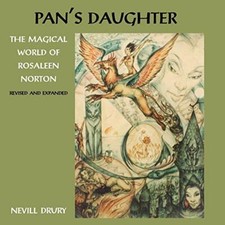
One of the most important figures in her spiritual life was Pan, the ancient Greek horned god associated with wilderness and nature. Norton saw Pan as representing freedom, vitality and the wild, untamed forces of the natural world.
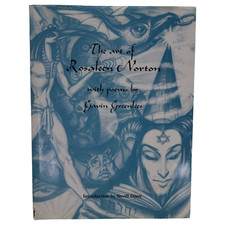
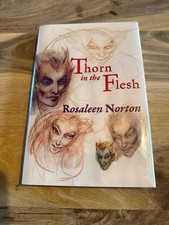
Her artwork became one of the main ways she expressed these beliefs. Her drawings and paintings frequently featured Pagan gods, supernatural beings, magical symbolism and strange visionary landscapes. At a time when such subjects could cause considerable controversy, Norton was remarkably open about what inspired her.
Her magical practices were highly personal. They drew upon ceremonial magic, Western occult traditions and her own visionary experiences rather than belonging neatly to one established form of witchcraft.
This is important when considering Norton’s place in modern Pagan history. She did not establish a major Pagan religion, nor did she create a formal witchcraft tradition for others to follow. Instead, she demonstrated something arguably just as important: a person could explore Paganism, magic and spirituality independently rather than simply accepting the religious beliefs society expected them to follow.
That independence came at a price. Norton attracted considerable attention from the press, police and authorities, while her artwork faced censorship and accusations of obscenity. Yet she refused to quietly abandon her beliefs simply because other people found them unacceptable.
Today, Rosaleen Norton is remembered as an important figure in the history of Australian occultism and alternative spirituality. Her influence comes not from creating rules or establishing another religious hierarchy, but from openly following an intensely personal spiritual path.
For modern solitary Pagans and witches, that may be the most interesting part of her legacy.
Rosaleen Norton followed her own path at a time when doing so could carry very real consequences. She questioned religious conformity, explored spirituality through personal experience and refused to allow society to dictate what she was permitted to believe.
That is why the “Witch of Kings Cross” continues to fascinate people decades after her death.