Black cats and witches have been closely linked throughout history. Today, during October and the Halloween season, images of black cats and witches are commonly seen in costumes, decorations, and party themes. This association is so widespread that it often overshadows the ancient origins of Halloween and its various names.
One of these origins is Samhain. According to Pagan and Witches traditions, Samhain marks both the end and the beginning of the religious year, and is considered the start of the Celtic new year. As explained by Patti Wigington, a Pagan and Wiccan expert, Samhain is also a time to honor ancestors.
Another name for this time is All Hallows’ Eve. In Catholic tradition, November 1st is celebrated as The Solemnity of All Saints. As a result, October 31st is known as All Hallows’ Eve, since the saints honored on November 1st are considered hallowed.
Despite these religious and cultural beginnings, beliefs about black cats and witches continue to influence how Halloween is celebrated.
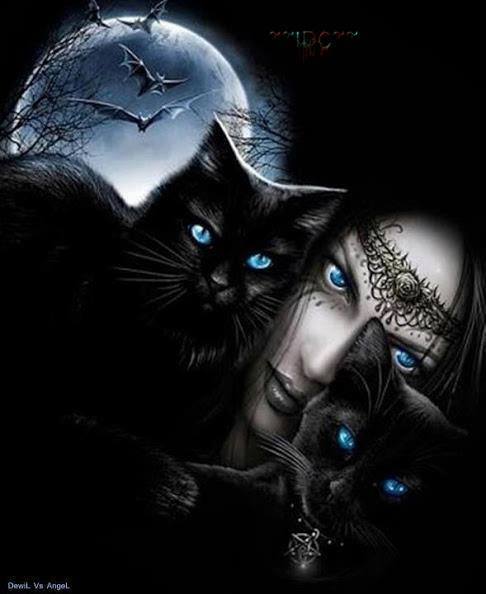
The idea of black cats as witches’ familiars became especially prominent during the Middle Ages. Because cats are nocturnal and active at night, they were often thought to be supernatural helpers of witches, or even witches themselves, as noted by Glenda Moore.
Folklore suggests that if a witch becomes human, her black cat will no longer live in her home. Some traditions hold that black cats are witches in disguise or represent witches reborn.
Others believe that black cats serve as familiars—beings that assist witches in their practices. However, not all familiars were black cats; they could also be cats of other colors, dogs, pigs, or other animals.
For several centuries, individuals accused of witchcraft were persecuted and often executed, and their animal companions were sometimes killed as well.
Today, regardless of past superstitions, black cats are cherished by many people who appreciate their unique beauty and companionship.