
Author: A Solitary Pagan


Spring Starflower
The Spring Starflower, known botanically as Ipheion uniflorum, is a delicate perennial that graces gardens and wild spaces with its star-shaped blooms each spring. This enchanting plant features slender, grass-like leaves that emerge in late winter, forming a lush green carpet close to the ground. Its flowers, typically pale blue to soft lilac or occasionally white, have six pointed petals arrange...


What you need for a pagan altar
Creating a pagan altar involves choosing items that represent the elements, the seasons, and any deities you honor. The specific objects you select are personal and should reflect your own spiritual practice. Common altar items include an altar cloth, candles for the elements or deities, a bowl of water, incense, and a symbol of earth. You may also add tools for spellwork, crystals, herbs, statues...
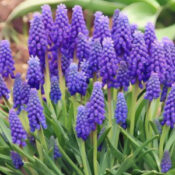

Grape Hyacinths
Grape hyacinths, botanically classified as Muscari armeniacum, are perennial bulbous plants native to southeastern Europe and parts of the Mediterranean region. These compact plants are celebrated for their dense, cylindrical clusters of small, bell-shaped flowers, which are most commonly a vivid cobalt or deep blue, though some cultivars may display shades of white or pale violet. Each flower spi...
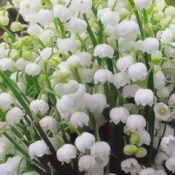

lilly of the Valley
Lily of the valley, or Convallaria majalis, is a perennial herbaceous plant renowned for its delicate, bell-shaped white flowers and intoxicatingly sweet fragrance. Native to the cool woodlands of Europe and Asia, this enchanting plant has also naturalized in parts of North America, thriving in shaded, moist environments. Botanically, lily of the valley is a member of the Asparagaceae family. It g...
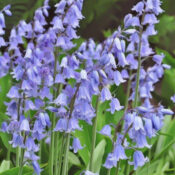

Bluebells
Bluebells, or Hyacinthoides non-scripta, are among the most enchanting and iconic wildflowers of the British Isles and Western Europe. These perennial plants are instantly recognizable by their slender, arching stems, each adorned with a cascade of delicate, bell-shaped flowers in shades ranging from deep indigo to soft lavender-blue. The petals curl back at the tips, and the blooms hang in one-si...
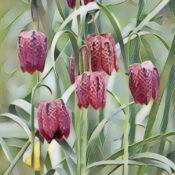

Fritillaria
Fritillaria is a striking and diverse genus of spring-flowering bulbs, celebrated for their elegant, nodding, bell-shaped blooms and, in some species, their remarkable checkered patterns. The most famous, Fritillaria meleagris—often called the snake’s head fritillary—features petals in shades of deep purple, pink, or white, each adorned with a unique chessboard pattern. But the genus is far more v...
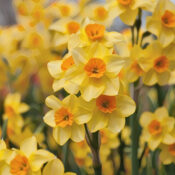

Daffodil
The daffodil, or Narcissus, is a classic symbol of spring, renowned for its cheerful, trumpet-shaped flowers that brighten gardens and meadows alike. Belonging to the Amaryllidaceae family, daffodils are native to Europe, North Africa, and parts of Asia, and have been cultivated for centuries for their beauty and resilience. There are over fifty species and thousands of cultivars, ranging from the...
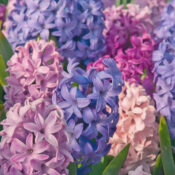

Hyacinth
The hyacinth, scientifically known as Hyacinthus orientalis, is a true jewel of the spring garden, celebrated for its breathtaking display of color and its intoxicating fragrance. This perennial bulbous plant is instantly recognizable by its dense, upright spikes of star-shaped flowers, each spike composed of dozens of individual florets that cluster tightly along a sturdy, fleshy stem. The flower...
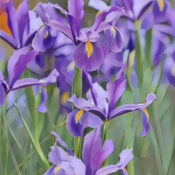

Iris
The iris is a perennial marvel, celebrated not only for its regal beauty but also for its rich tapestry of symbolism, history, and magical lore. Belonging to the Iridaceae family, the genus Iris encompasses over 300 species, ranging from the stately bearded irises of European gardens to the delicate, water-loving Japanese and Siberian varieties. Each iris plant is a study in botanical elegance: it...
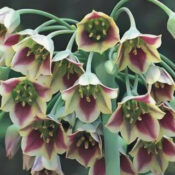

Honeybells
The Honeybell, also known as the Minneola tangelo, is a striking citrus hybrid that has enchanted gardeners, cooks, and magical practitioners alike for generations. Its origins trace back to the early 20th century, when horticulturists in Florida crossed the sweet Dancy tangerine with the tart Duncan grapefruit, seeking a fruit that would capture the best qualities of both. The result was the Hone...
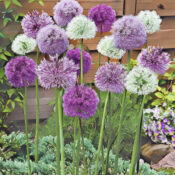

Allium
The genus Allium is a large and varied group of flowering plants in the Amaryllidaceae family, with about one thousand species. Alliums are easy to recognize by their bulbous roots, which store nutrients, and their long, slender, often hollow leaves. Their flowers usually form globe-shaped clusters, called umbels, and come in many colors, including white, yellow, pink, purple, and blue. These flow...
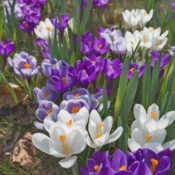

Crocus
The crocus is a small, enchanting flower that signals the arrival of spring, often blooming while snow still lingers. Its goblet-shaped blossoms appear in vivid purples, whites, and yellows, bringing color to meadows and gardens. But beyond its beauty, the crocus is a botanical marvel with a rich history and deep magical significance. Botanically, crocuses belong to the iris family, Iridaceae, and...