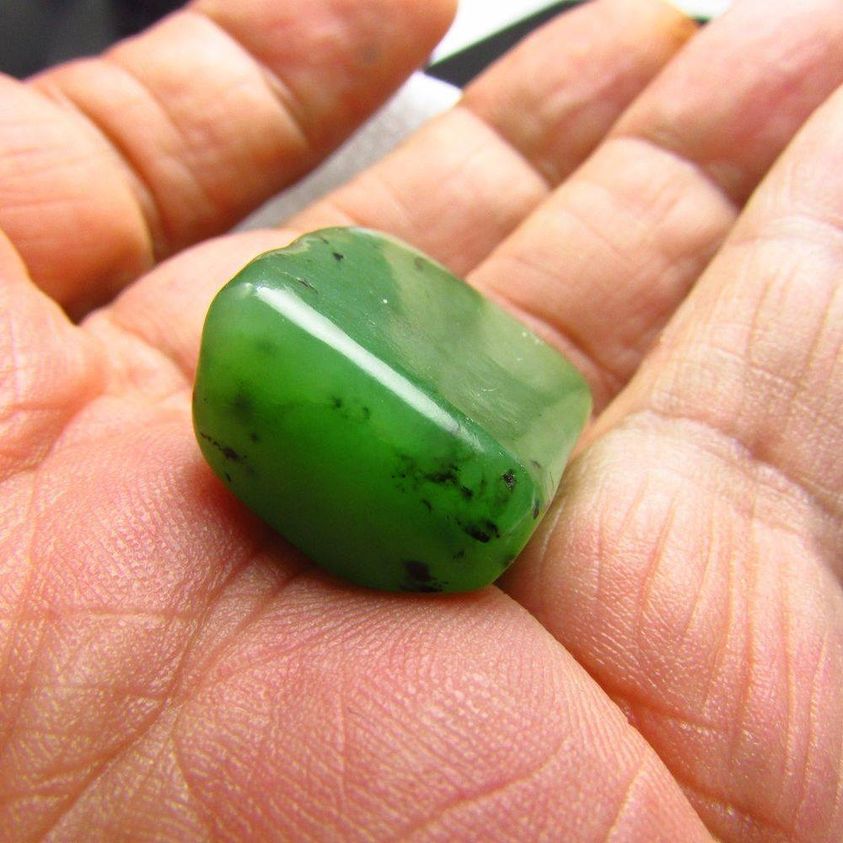
In Chinese philosophy and spiritual practice, jade is valued not only for its appearance, but also for its deep symbolic meaning. Jade is associated with five cardinal virtues: charity, modesty, courage, justice, and wisdom. These virtues are seen as important qualities for personal development and harmonious living. Because of this, jade is often used in meditation and self-reflection, serving as a reminder of these ideals in daily life.
One simple way to connect with these virtues is to hold a piece of jade and think about each quality. The stone can act as a physical reminder of the virtues you wish to nurture. This approach may help you observe your own thoughts and actions in relation to each virtue.
For those interested in a more structured approach, a step-by-step meditation process can be helpful. This method can deepen your understanding of the virtues and gradually connect your intentions with the jade, making it a meaningful spiritual tool.
To get started, you may find the following items useful:
— A polished piece of jade, as its smooth surface can encourage calm and focus.
— Paper, for writing down your thoughts and reflections.
— A pen, to help you journal your experiences throughout the process.
The process can be broken down into these steps:
Find a quiet and comfortable place where you will not be interrupted. Sit with the jade in your hand, and take a few deep breaths. Let your attention rest on the stone’s cool, smooth surface.
Think about each of the five virtues—charity, modesty, courage, justice, and wisdom—one at a time. Consider what each means to you personally, and reflect on how these qualities appear in your life. You might notice areas where you already express these virtues, as well as places where you would like to grow.
As you reflect, write down your thoughts and any insights that come up. Journaling can help you track your progress and highlight aspects of each virtue that may need more attention.
Over five days, you might choose to focus on one virtue each day. For example, on the first day, you could explore the idea of charity—what it means to give, to be kind, and to support others. On the following days, turn your attention to modesty, courage, justice, and wisdom. After each meditation, record your insights or intentions in your journal. This ongoing reflection can help you understand and integrate these virtues into your life.
As you continue, you may notice that your jade feels more connected to your intentions. Many traditions suggest that the stone gradually becomes attuned to your personal journey, serving as a reminder of your commitment to growth.
If you wish to explore further, you can look into the nine qualities of jade described in Chinese tradition. Each physical feature of the stone is linked to a human attribute: smoothness represents benevolence; polish, knowledge; firmness, righteousness; harmlessness, virtuous action; spotlessness, purity; imperishability, endurance; visible flaws, ingenuousness; tactile quality, morality; and the sound it makes when struck, harmony.
You can reflect on each of these qualities in a similar way. Hold the jade, observe its features, and consider how you might express these attributes—such as benevolence, knowledge, righteousness, virtuous action, purity, endurance, ingenuousness, morality, and harmony—in your own life.
After completing this process, your jade may feel like a personal talisman, filled with your intentions and insights. You might choose to carry it with you as a gentle reminder of the virtues and qualities you are working to develop. The time and attention you invest in this practice can help you access the wisdom and energy of jade, even outside of meditation.
In this way, jade can serve as both a beautiful object and a supportive companion on your journey of self-discovery and spiritual growth.