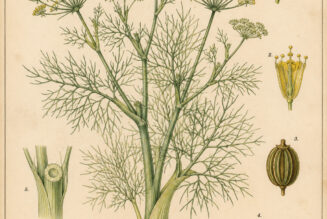
Hare’s Ear (Bupleurum species) is a modest-looking wildflower that has never achieved the fame of herbs such as mugwort, vervain, or yarrow. Yet among many modern Pagans and folk practitioners, it has found a place as a symbol of intuition, resilience, and the quiet wisdom of the natural world. While there is little historical evidence that Hare’s Ear was widely used in ancient European magical traditions, many contemporary witches value it for the qualities it represents.
Its common name immediately evokes one of the most sacred animals in European folklore—the hare. Across many Pagan traditions, the hare is associated with the Moon, fertility, transformation, and the Otherworld. It is often linked to goddesses such as Eostre and is regarded as a creature that moves effortlessly between the physical and spiritual realms. Because of this connection, Hare’s Ear is often included in spells and rituals intended to strengthen intuition, encourage personal growth, and deepen spiritual awareness.
Some practitioners gather Hare’s Ear respectfully from the wild, always asking permission from the spirit of the plant before harvesting and leaving a small offering in return, such as water, bird seed, or heartfelt thanks. This reflects the Pagan belief that all living things deserve respect and that magical work should begin with gratitude rather than taking.
The dried leaves and flowers may be placed inside spell bags or charm pouches designed for protection during journeys, both physical and spiritual. Others burn a small amount as an incense blend with herbs such as mugwort, rosemary, or lavender before meditation or divination, believing its gentle energy helps calm the mind and sharpen inner perception.
Hare’s Ear is also used in seasonal altar decorations during spring celebrations, representing renewal, abundance, and the awakening of life after winter. Its delicate green foliage serves as a reminder that strength often appears in quiet, unassuming forms.
Whether used in ritual, meditation, or simply appreciated as a wild plant growing freely in nature, Hare’s Ear encourages the practitioner to slow down, observe the natural world, and trust their instincts. Like the hare itself, it reminds us that wisdom often comes through stillness, awareness, and an open heart rather than force or haste.