Plant H
Horned Poppy in Paganism and Witchcraft
The Horned Poppy (Glaucium flavum), with its striking golden-yellow flowers and long, curved seed pods that resemble horns, has long been admired by herbalists, mystics, and those who walk a nature-ba...
Hornbeam in Paganism and Witchcraft
Hornbeam (Carpinus betulus) is a tree that has long been admired for its remarkable strength, endurance, and resilience. Although it is often overshadowed by more famous sacred trees such as Oak, Ash,...
Horehound (Marrubium vulgare)
Horehound (Marrubium vulgare) is one of the oldest magical herbs found in European folk traditions. Although it is best known as a medicinal plant used for coughs and colds, many Pagans and practition...
Hop in Paganism and Witchcraft
Hop (Humulus lupulus) is best known for its use in brewing beer, but it has also held a quiet place in folk magic, Pagan traditions, and herbal witchcraft for centuries. Its twisting vines, fragrant f...
Honeysuckle in Paganism & Witchcraft
Honeysuckle (Lonicera) has long been treasured in Paganism and Witchcraft for its associations with love, happiness, abundance, and the gentle magic of attraction. With its sweet fragrance drifting th...
Honewort in Paganism and Witchcraft
Honewort (Trinia glauca) is a little-known wild plant that rarely appears in modern books of Paganism and Witchcraft. Unlike herbs such as sage, mugwort, or rosemary, Honewort has very few recorded ma...
Hollyhock in Paganism and Witchcraft
Hollyhock (Alcea rosea) is a tall, graceful plant that has long been admired for its colourful flowers and strong, upright stems. Although it is often grown as a cottage garden favourite, many Pagans ...
Holly Fern in Paganism and Witchcraft
Holly Fern (Cyrtomium falcatum) is an evergreen fern admired for its glossy, holly-like leaves and its ability to remain green throughout much of the year. Although it is not as widely known in tradit...
Holly in Paganism and Witchcraft
Holly (Ilex aquifolium) has long been regarded as one of the most sacred trees in European Pagan traditions. With its glossy evergreen leaves and bright red berries, it remains vibrant throughout the ...


Hickory in Paganism and Witchcraft
Hickory is a tree that is often overlooked in modern Paganism and witchcraft, yet it possesses a long history of symbolism centred on strength, endurance, resilience, and wisdom. Found mainly in North...


Hibiscus in Paganism and Witchcraft: A Flower of Love, Passion and Spiritual Awakening
Hibiscus is one of the most striking flowering plants found in magical practice. With its large, vibrant blooms in shades of red, pink, yellow, orange and white, it has long been associated with beaut...


Himalayan Cedar in Paganism and Witchcraft
The Himalayan Cedar (Cedrus deodara), often known as the Tree of the Gods, has long been associated with spirituality, protection, wisdom, and sacred spaces. Native to the Himalayan mountains, this ma...


High John the Conqueror Root in Paganism and Witchcraft
High John the Conqueror Root is one of the most respected magical roots in modern folk magic and has long been associated with strength, courage, success, and overcoming adversity. Although its strong...


Hesperis in Paganism and Witchcraft: The Fragrant Flower of Twilight
Hesperis, more commonly known as Dame’s Rocket (Hesperis matronalis), is a graceful flowering plant that has long been associated with the quiet magic of dusk, beauty, love, and the mysteries th...


Herb Robert (Geranium robertianum) in Paganism and Witchcraft
Herb Robert (Geranium robertianum) is a small but remarkable wildflower that has quietly earned a place in the folklore and magical traditions of Europe. Often found growing along woodland edges, old ...


Henbane in Paganism and Witchcraft: A Plant of Mystery and Caution
Henbane (Hyoscyamus niger) has long held a place in the folklore, mythology, and magical traditions of Europe. With its pale yellow flowers veined in deep purple and its strange, unpleasant scent, it ...
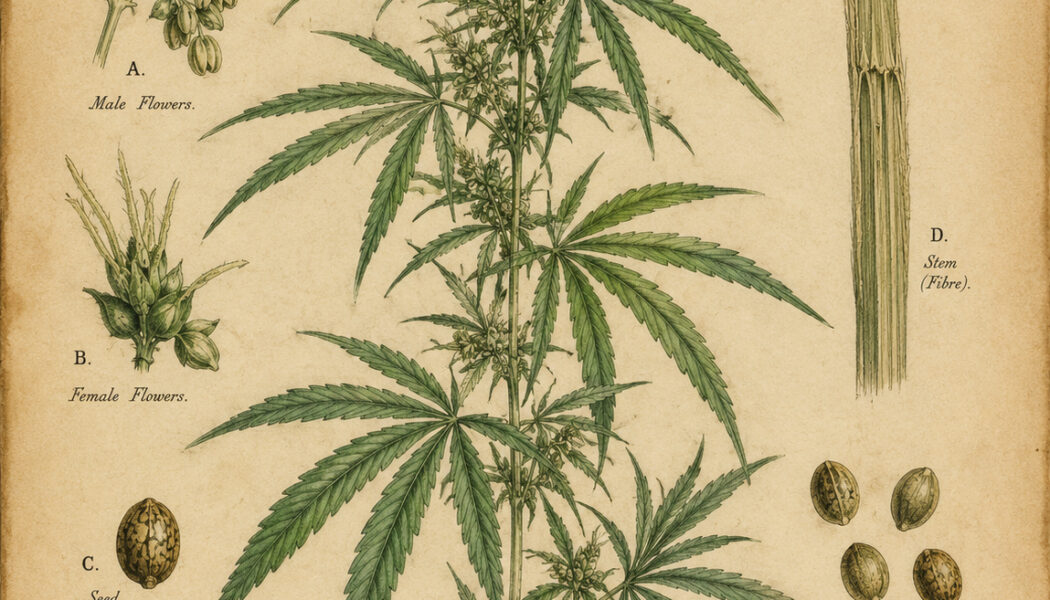

Hemp in Paganism and Witchcraft: A Plant of Strength, Protection, and Connection
Hemp (Cannabis sativa) has been valued by many cultures for thousands of years, not only for its practical uses but also for its spiritual symbolism. It is important to distinguish industrial hemp, wh...
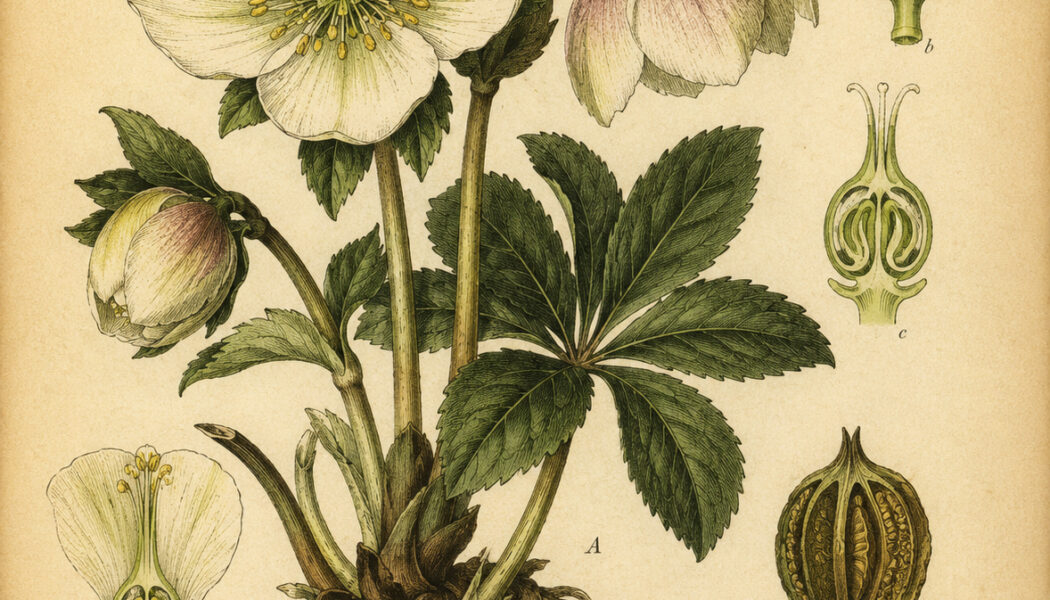

Hellebore in Paganism and Witchcraft: The Mysterious Winter Flower
Hellebore (Helleborus spp.), often called the Christmas Rose or Lenten Rose, has long been surrounded by mystery, folklore, and magical tradition. Blooming during the coldest months of the year when m...


Hedge Woundwort (Stachys sylvatica) in Paganism and Witchcraft
Hedge Woundwort (Stachys sylvatica) is a native woodland plant found throughout much of Britain and Europe. Recognisable by its tall stems, heart-shaped leaves, and deep purple flowers, it has long be...
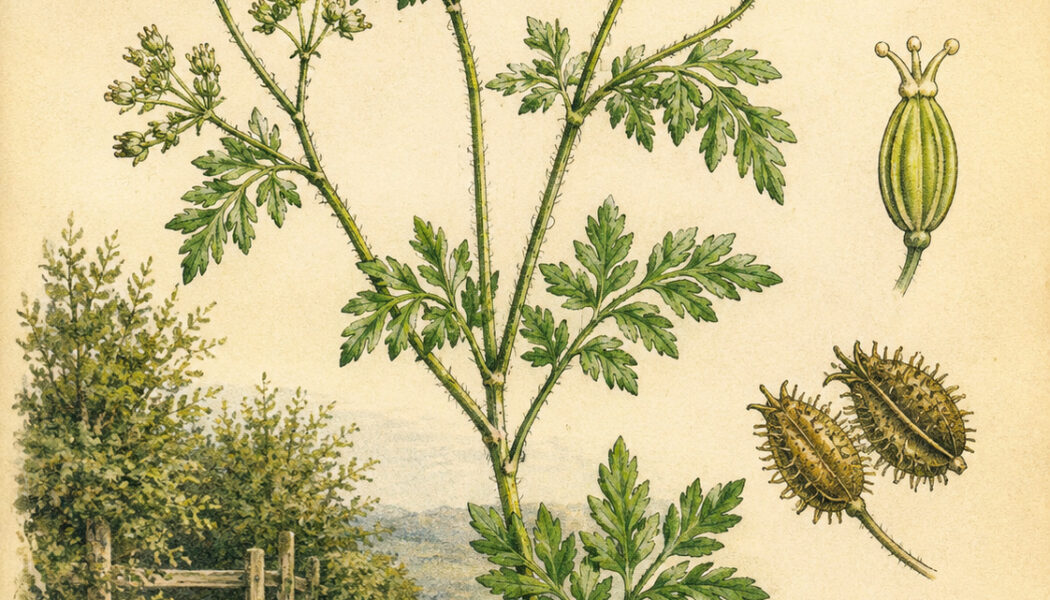

Hedge Parsley in Paganism and Witchcraft
Hedge parsley (Torilis japonica and related Torilis species) is a modest wild plant that grows along hedgerows, woodland edges, old pathways, and forgotten corners of the countryside. Although it does...
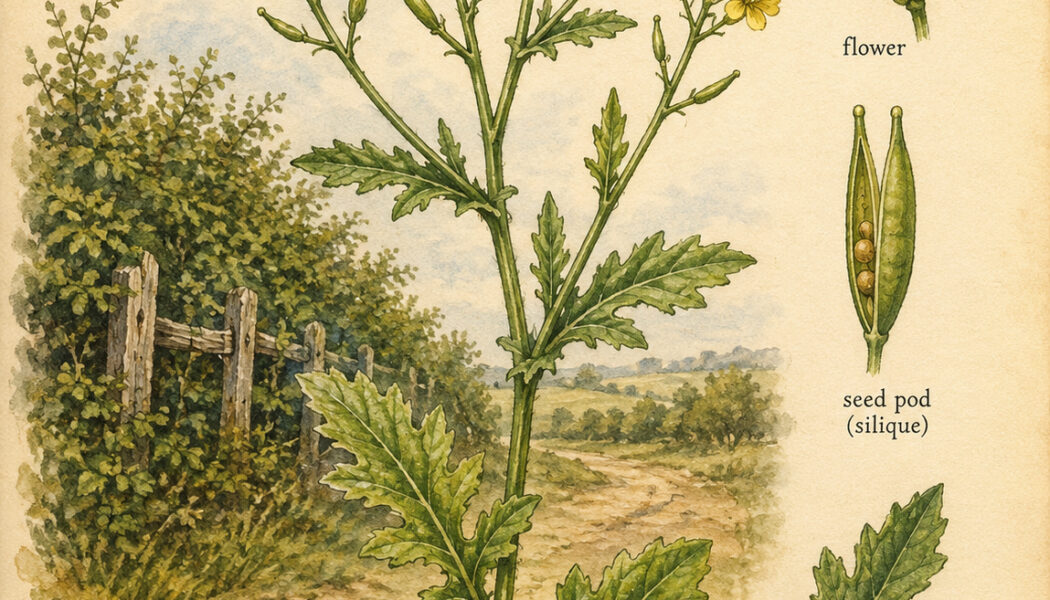

Hedge Mustard in Paganism and Witchcraft
Hedge Mustard (Sisymbrium officinale) is a humble wild herb that has quietly grown along hedgerows, roadsides, and forgotten corners of the countryside for centuries. Although it is better known in tr...


Hedge Bindweed in Paganism and Witchcraft
Hedge Bindweed (Calystegia sepium) is a familiar sight throughout hedgerows, woodland edges and country lanes. With its elegant white trumpet-shaped flowers and vigorous climbing stems, it has long at...


Heather in Paganism and Witchcraft: A Plant of Protection, Luck and the Wild Places
Heather (Calluna vulgaris) has long been treasured by Pagans and witches as one of the sacred plants of the moorland and heath. Covering hillsides in shades of purple, pink and white, it has become a ...


Hazel Fern in Paganism and Witchcraft: A Plant of Wisdom and Hidden Pathways
Hazel Fern is a woodland plant that quietly thrives in damp, shaded places where ancient trees have stood for generations. Although it is not as widely known in modern witchcraft as herbs such as mugw...
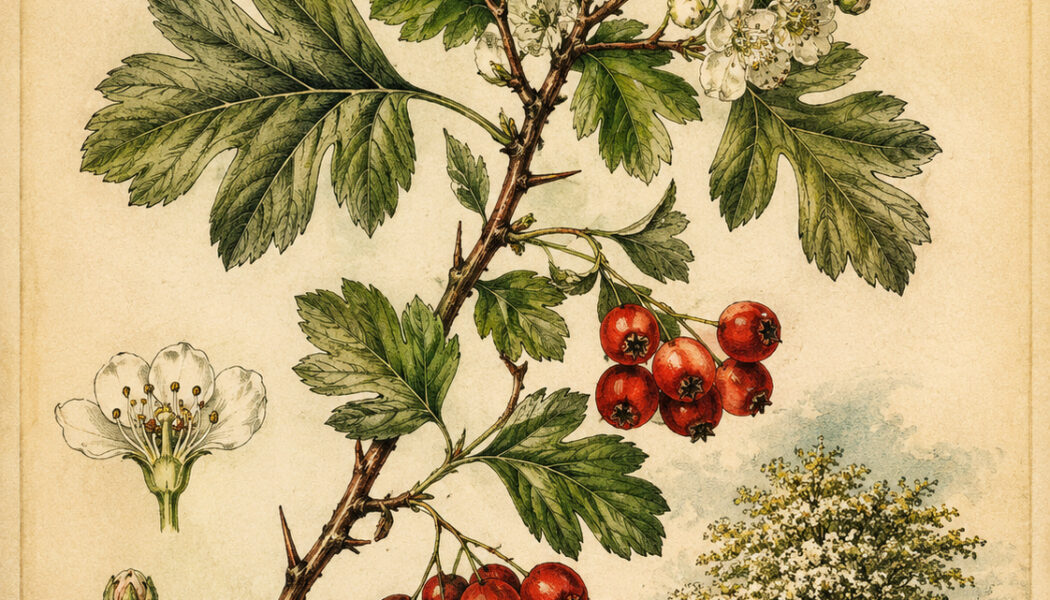

Hawthorn in Paganism and Witchcraft
Hawthorn (Crataegus spp.) has long been regarded as one of the most sacred trees in European folklore and Pagan tradition. Often called the May Tree or Fairy Tree, it has been associated with the limi...


Hart’s Tongue Fern in Paganism and Witchcraft: The Leaf of Hidden Wisdom
Hart’s Tongue Fern (Asplenium scolopendrium) is one of Britain’s most distinctive native ferns, instantly recognised by its long, smooth, tongue-shaped fronds. Unlike the delicate, feather...
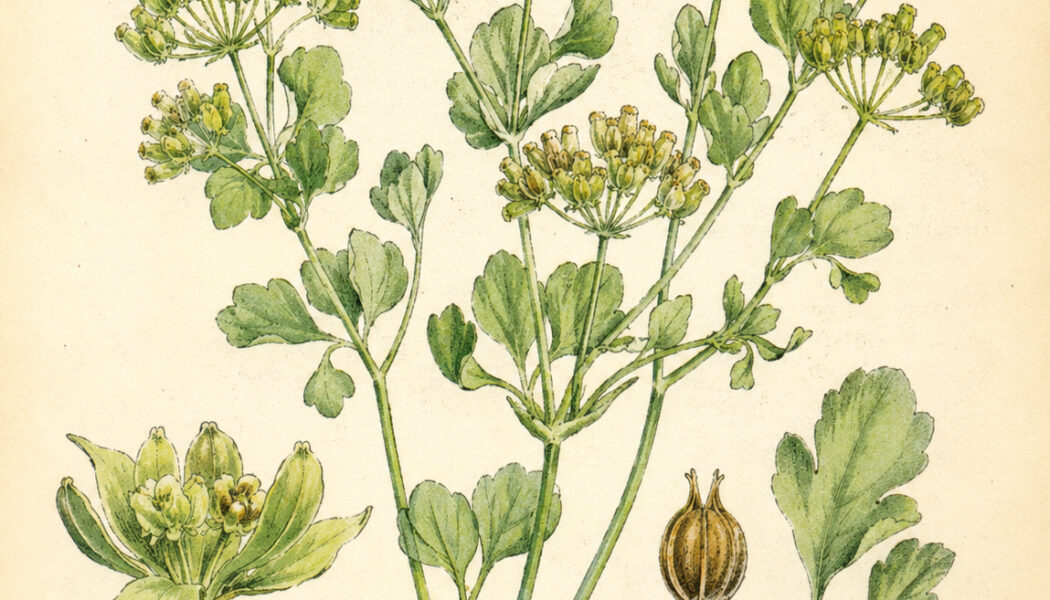

Hare’s Ear in Paganism and Witchcraft
Hare’s Ear (Bupleurum species) is a modest-looking wildflower that has never achieved the fame of herbs such as mugwort, vervain, or yarrow. Yet among many modern Pagans and folk practitioners, ...
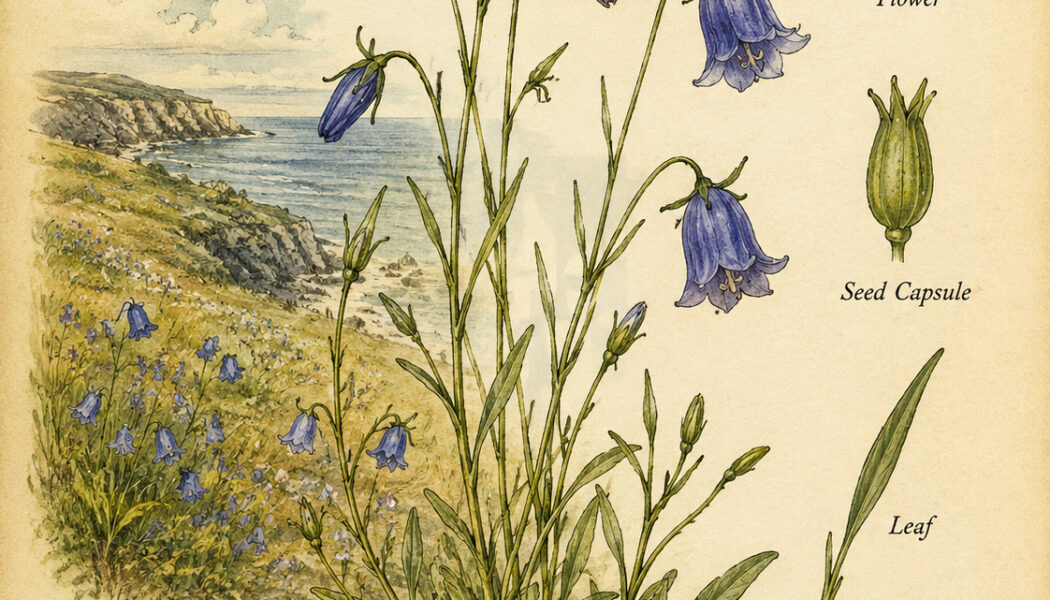

Harebell in Paganism and Witchcraft: The Fairy Flower of the Wild
Delicate, graceful, and often swaying gently in the summer breeze, the Harebell (Campanula rotundifolia) has long been associated with mystery, enchantment, and the hidden realms of nature. Found grow...


Haircap Moss in Paganism and Witchcraft: A Symbol of Endurance and Ancient Wisdom
Haircap Moss (Polytrichum commune) is one of the oldest and most resilient plants found in the woodlands, moorlands, and damp places of the world. Unlike flowering herbs, it has no colourful blooms or...