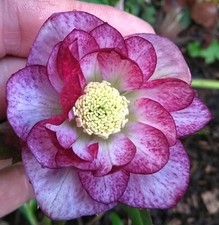
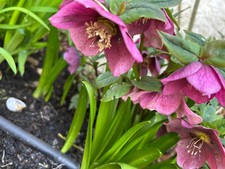
Hellebore (Helleborus spp.), often called the Christmas Rose or Lenten Rose, has long been surrounded by mystery, folklore, and magical tradition. Blooming during the coldest months of the year when most other plants lie dormant, it has become a powerful symbol of endurance, transformation, and hidden wisdom. Throughout history, many Pagans and practitioners of witchcraft have viewed hellebore as a plant that stands between the worlds of life and death, winter and spring, darkness and light.
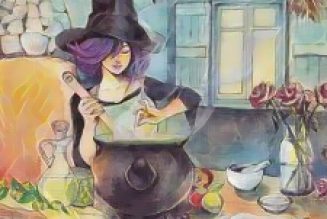
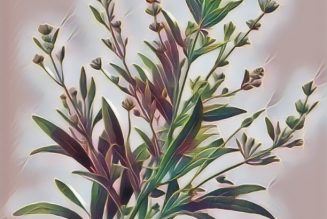
In ancient folklore, hellebore was believed to possess the power to banish unwanted influences. It was sometimes associated with purification rituals, where its symbolic presence represented the removal of negativity, harmful intentions, or stagnant energy. Modern practitioners generally avoid handling or burning the plant because all parts of hellebore are poisonous. Instead, its magical qualities are often honoured through images, artwork, careful cultivation in the garden, or meditation upon the living plant.
Spiritually, hellebore is linked with protection. Many solitary Pagans see its ability to flower during winter as a reminder that hope and inner strength can survive even the darkest seasons of life. It encourages resilience, patience, and faith that brighter days will eventually return. For this reason, it is often included symbolically in winter altars and seasonal celebrations marking the gradual return of the Sun after the Winter Solstice.
Some traditions also associate hellebore with divination and hidden knowledge. Because of its mysterious appearance and ancient reputation, it is regarded as a plant that encourages deep reflection and intuitive insight. Meditating near a flowering hellebore or contemplating its symbolism during ritual can help practitioners focus on inner wisdom rather than seeking answers from the outside world.
Hellebore has also been connected with the spirit world in European folklore. Some believed it could offer protection when working with ancestors or exploring the unseen realms. Today, many witches simply view it as a reminder to approach spiritual work with respect, caution, and balance.
Although hellebore carries a rich magical reputation, it should never be consumed or used in homemade remedies because of its toxic nature. In modern Paganism and witchcraft, its greatest value lies in its symbolism. As one of winter’s bravest flowers, hellebore reminds us that even in times of darkness, beauty, strength, and spiritual growth continue quietly beneath the surface, waiting for the right moment to bloom.