
Author: A Solitary Pagan
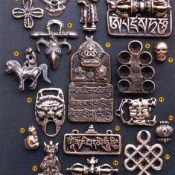

The History of Amulets
Amulets are Objects imbued with magical properties that protect against bad luck, illness and evil. Amulets are universal and are answers to age old needs, such as, to be healthy, to be virile and fertile, to be powerful and successful, to have good fortune and so on. To ancient humans, these needs were controlled by the invisible forces of good and evil, prayers, sacrifices and offerings induced ...
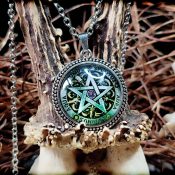

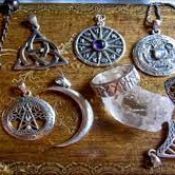

Amulets Descriptions
Ankh The ankh symbol stands for, everlasting life and regeneration. The ankh amulet works best when, made from wood, metal, or faience. The ankh helps its wearer live life to the fullest degree and is sometimes used for success, as well as for protection. Cross The cross is the primordial sign for the union of opposites: spirit and matter, positive and negative, male and female, sacred and secular...
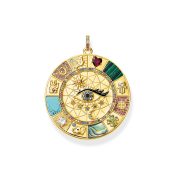

All-Purpose Healing Amulet
Items Needed. Garlic. Eucalyptus. Cinnamon. Sage. Method Lay the pouch on a hard surface and smooth out all the wrinkles. Using the red cloth paint or marker, draw the following “healing symbol” on the pouch. When the paint is dry, fill the pouch with the herbs. Hold the pouch and visualize good health. Carry the pouch with you during the day, and at night place it under your pillow. Use the pouch...
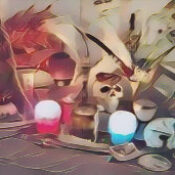

A Feather for Your Altar
To represent Air on your altar, place an item in the East. This is often something scented, such as incense, essential oils, or smudges. Alternatively, a feather from a flying bird can be used to symbolize Air. Sacred scents are used to energetically cleanse a space, invite specific powers, or assist witches in shifting their consciousness. Feathers can also be used to cleanse energy fields and to...
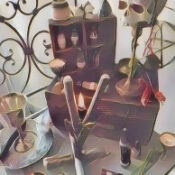

Pagan Witches Altar
In Pagan witchcraft, an altar is a special space—often raised or set apart—where rituals, ceremonies, and offerings are made to deities, spirits, or the forces of nature. The altar acts as a central point for spiritual work, connecting the everyday world with the sacred, and honoring the divine. The altar is closely linked to the Goddess and Mother Earth, who represent the cycles of birth, death, ...
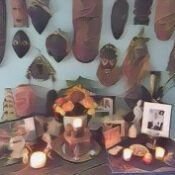

Ancestor Altars
Samhain marks the end of the harvest and the start of winter. In many Pagan and witchcraft traditions, this is a special time when the boundary between the living and the dead is believed to be at its thinnest. It is an ideal moment to honor ancestors. Creating an ancestor altar during Samhain is a meaningful way to remember your loved ones, seek their guidance, and keep their memory alive in your...
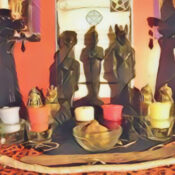

Magical Ways, The Altar
In witchcraft, an altar—sometimes called a spell table or magical work table—is a dedicated space for rituals, spellwork, and connecting with spiritual energies. While you can practice magic without an altar, having a specific place for your craft helps you focus, set intentions, and strengthen your magical work. An altar is both a physical and symbolic center for your practice. It is where you ga...
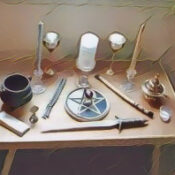

Basic Tools for an Altar
As you begin your journey into witchcraft, remember that the true foundation of magic is not found in physical objects, but in your own intent, energy, and spiritual connection. While tools, herbs, candles, and crystals are often used in the craft, they are secondary. The most effective magic comes from within—through your focused will, clear mind, and the guidance of any deities or spirits you ch...
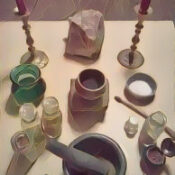

Basic Materials for an Altar
Basic Materials for an Altar. As you begin your journey into witchcraft, one of the first steps is to establish a sacred space for your practice. This is typically done by setting up an altar—a dedicated surface where you can focus your intentions, perform rituals, and connect with spiritual energies. The items you select for your altar can be simple or elaborate, but each holds both symbolic and ...


Kitchen Altar
Kitchen witches spend much of their time in the kitchen, combining magic and cooking to create sacred food, spells and herbal remedies. The kitchen is therefore an ideal place to set up an altar, both for kitchen magic and honoring the goddess of hearth and home. Making a Kitchen Altar Depending on the size of the kitchen, an altar can be anything from the corner of a shelf, to a dedicated table. ...
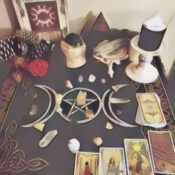

Tips for setting up and using your altar.
To begin, you will need a large, flat surface for your altar. This could be a table or a cupboard. Drawers in the furniture can be used for storage, and you may wish to cover the surface with a cloth. The shape of the surface is not important; both circles and squares are considered sacred. Any shape can be divided into four quadrants, representing the four elements: Earth, Air, Fire, and Water. T...