
Mythology


THE EVIL EYE
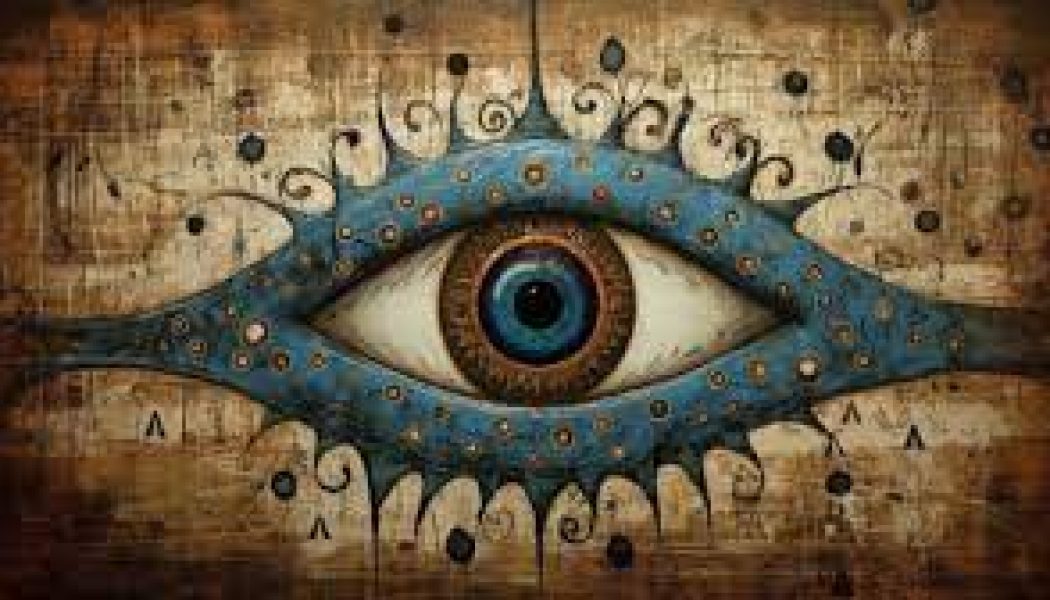
The evil eye is a belief that dates back thousands of years and is present in over a third of the world’s cultures. Its influence remains significant today, especially in Mediterranean regions, the Mi...

Cailleach Bhéarra
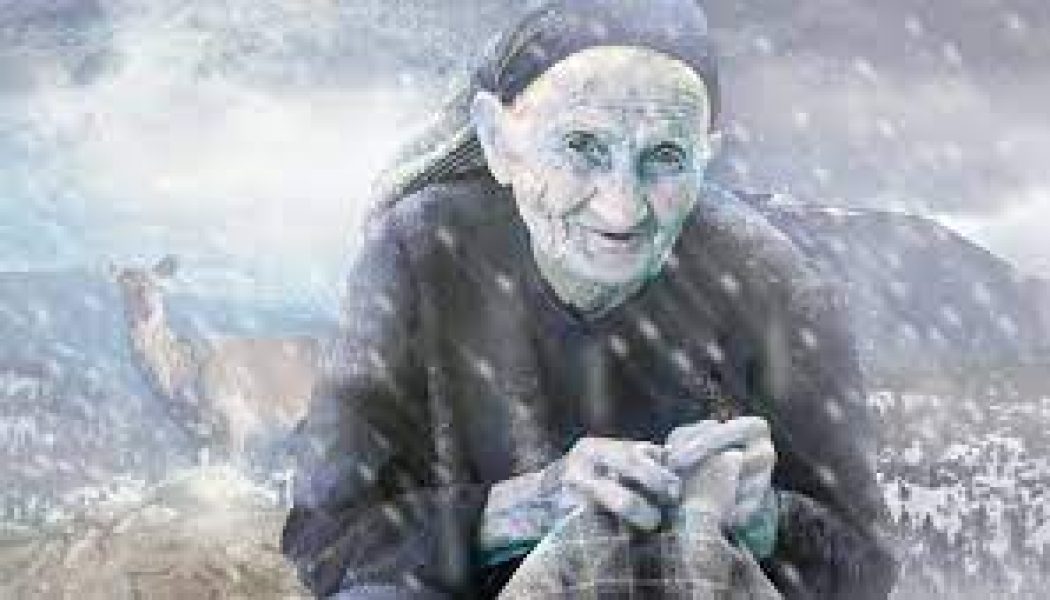
The word “Cailleach” has ancient roots, going back to a time before the Irish language existed. This term has been part of Irish culture for thousands of years, appearing in stories,...

Spiders in Myth and Folklore
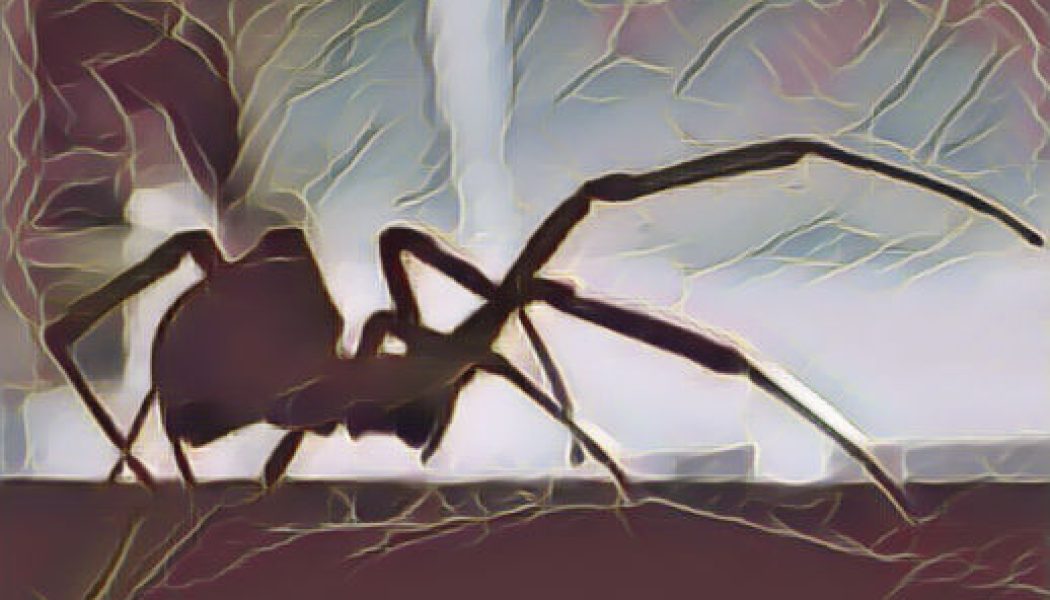
Nearly all cultures have some sort of spider mythology, and folktales about these crawly creatures abound! Hopi (Native American): In the Hopi creation story, Spider Woman is the goddess of the earth....
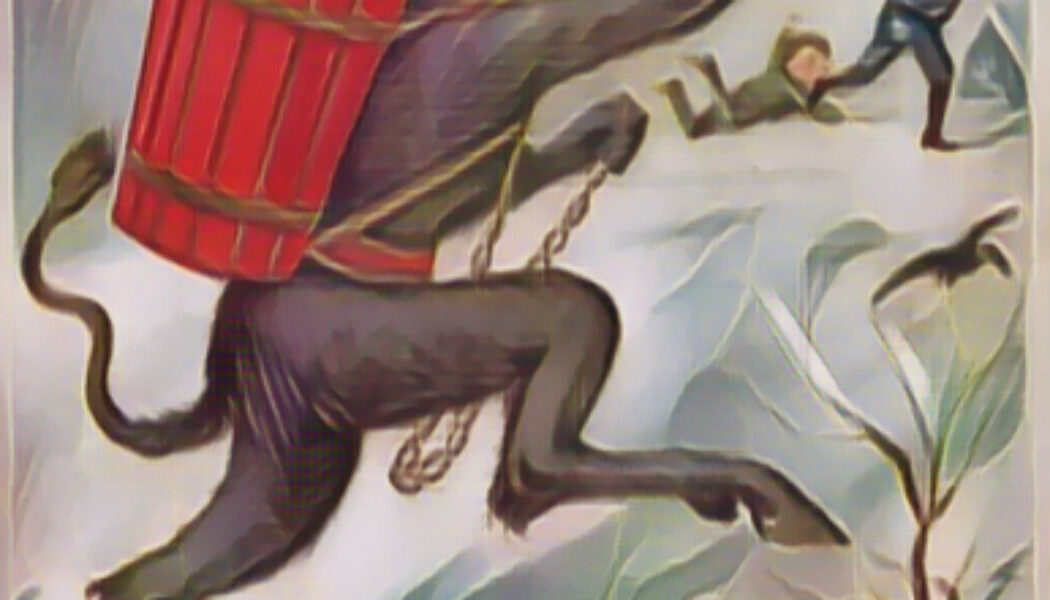

Who is Krampus
Throughout history, the figure of Krampus has served as a cautionary symbol, intended to encourage children to behave well during the holiday season. Unlike the cheerful and generous St. Nicholas, Kra...
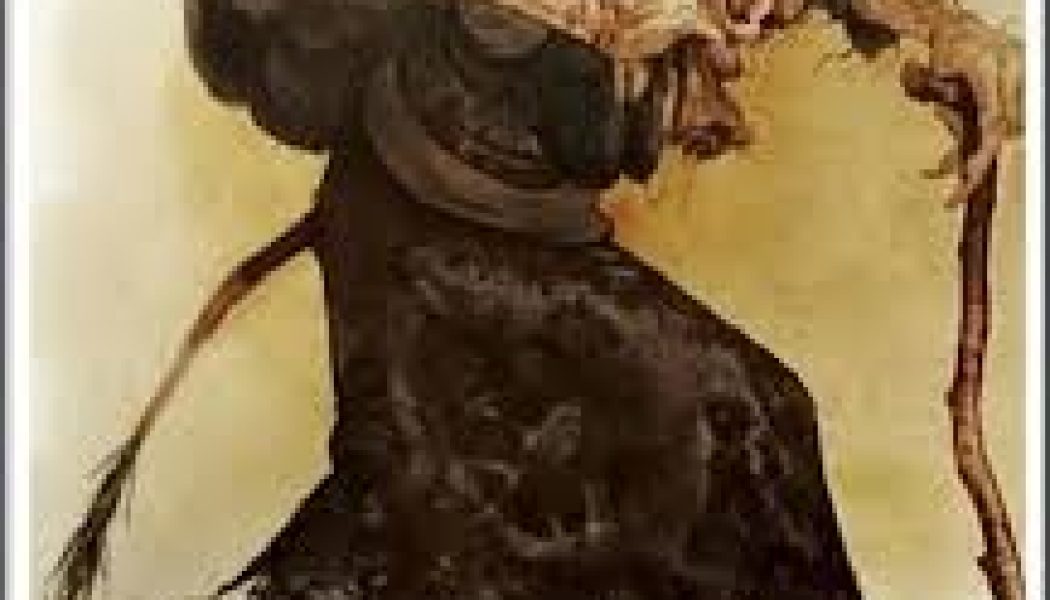

Praise Gryla, a Terrifying Christmas Cannibal with 13 Deviant Sons
In Iceland, belief in elves and other supernatural beings is widespread, with surveys indicating that 54 percent of the population hold such views. Among the most notable figures in Icelandic folklore...
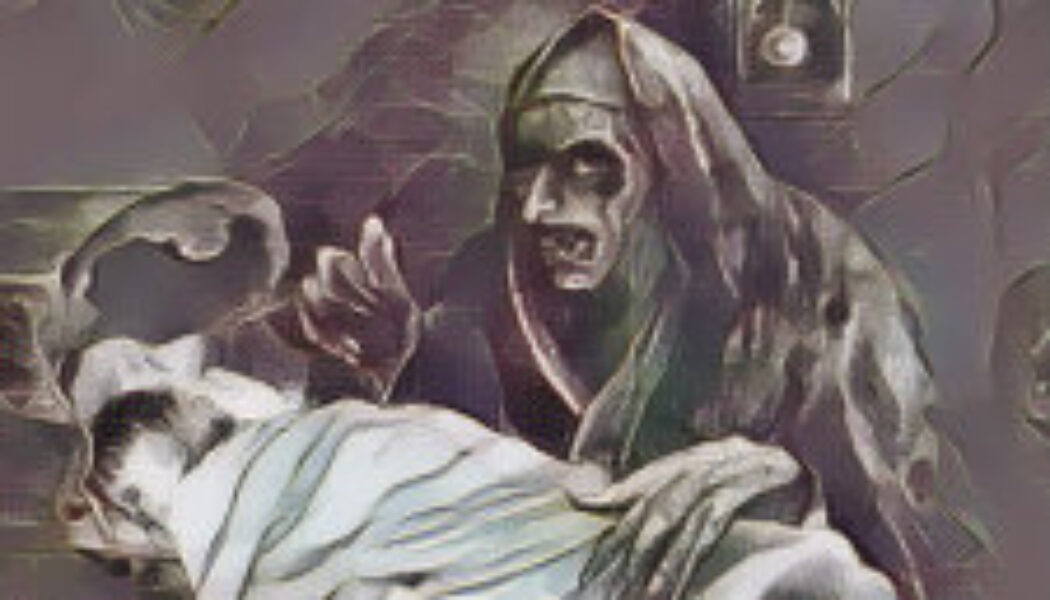

Frau Perchta
Frau Perchta is a notable figure in Alpine and Germanic folklore, sometimes called the “belly slitter” or the Christmas witch. Her story begins in pre-Christian times, when she was honored as a goddes...
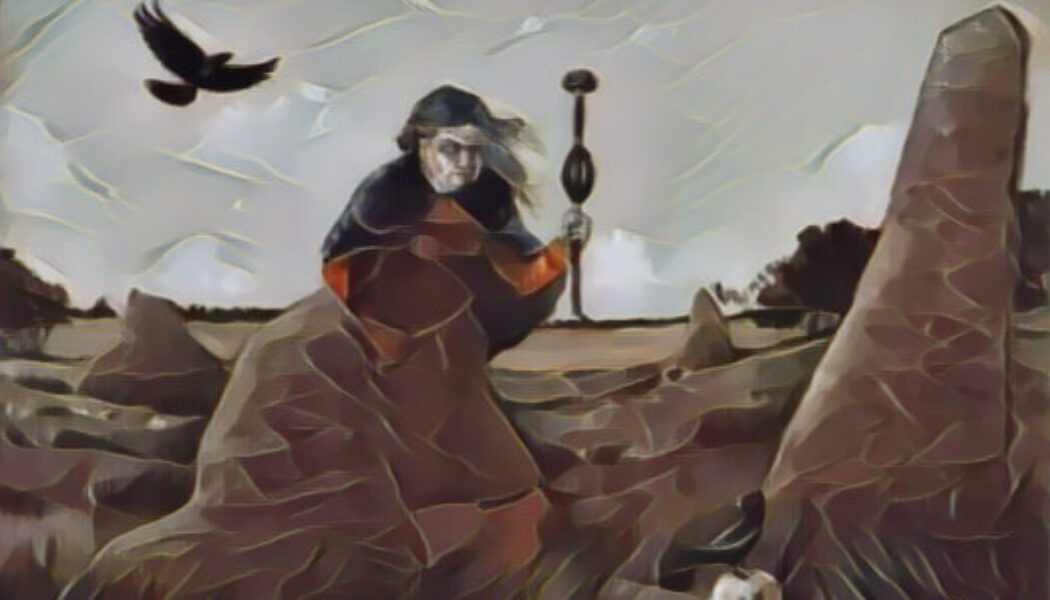

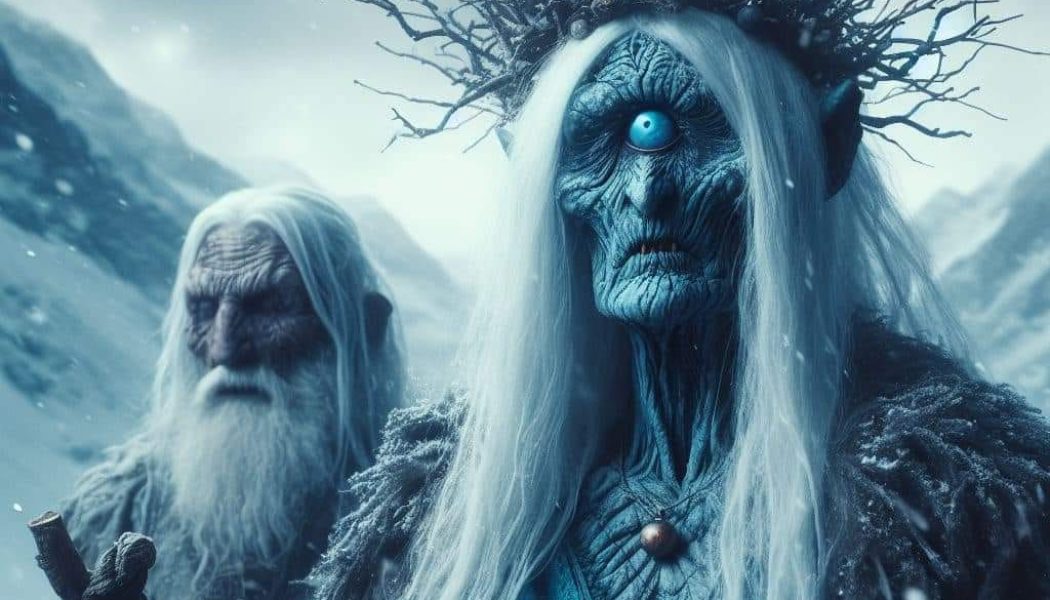

The Cailleach
In Gaelic mythology, the Cailleach is one of the most mysterious and enduring figures. Her name, which means “old woman” or “hag” in Gaelic, does not fully capture her power and importance. The Caille...


Plants and Mythology
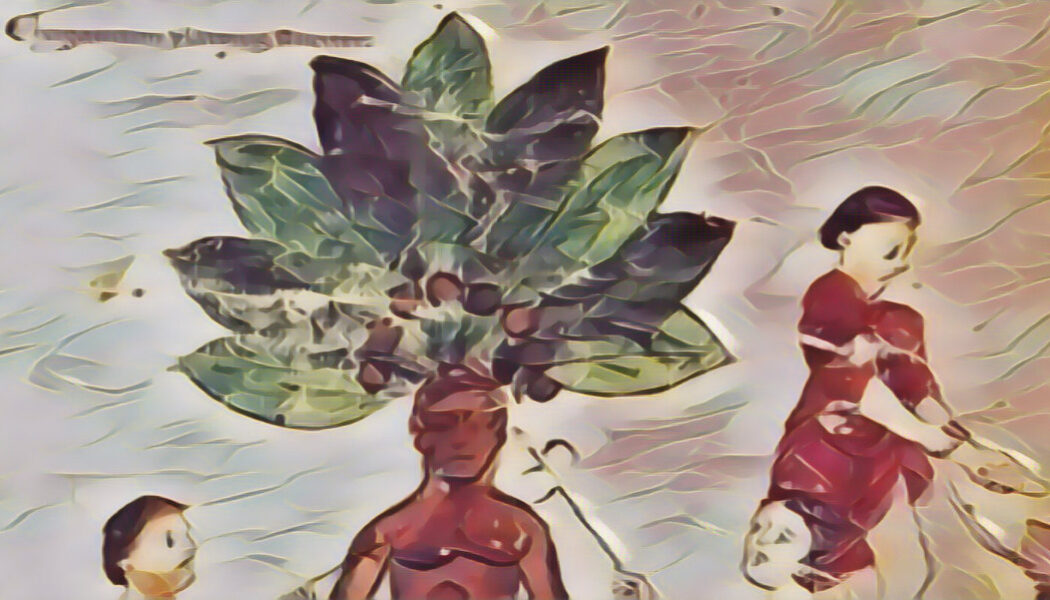
The magical plant or herb of immortality sought by Gilgamesh, the hero of ancient Mesopotamian mythology, provides one example of how myths use plants as symbols of life and of the healing power of na...

The Labyrinth
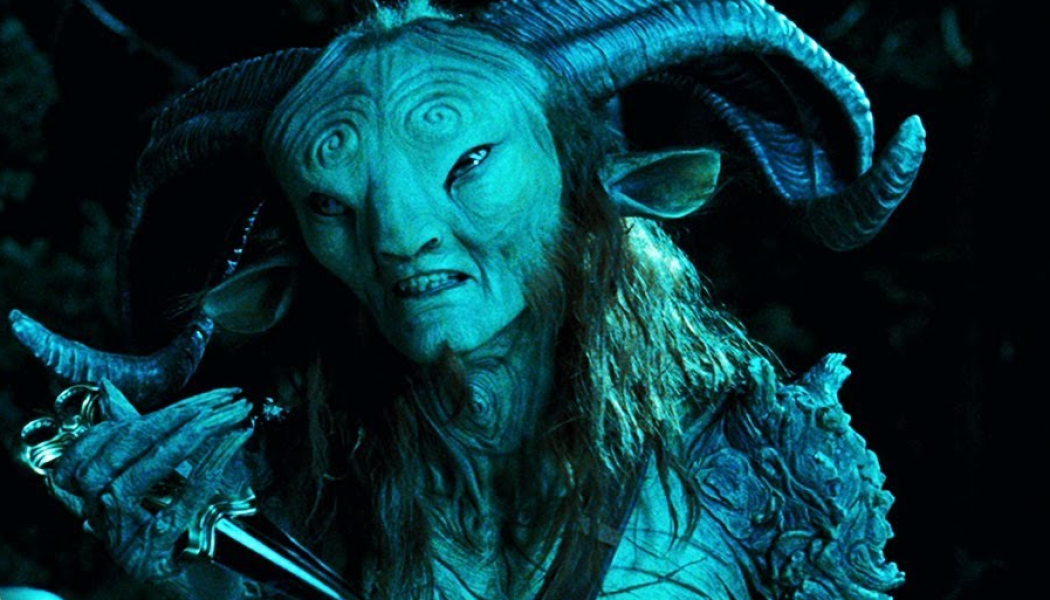
In Greek mythology, the Labyrinth is one of the most famous and symbolic structures. The word “Labyrinth” (Greek: labyrinthos) means a complicated maze. The most well-known Labyrinth was built on the ...
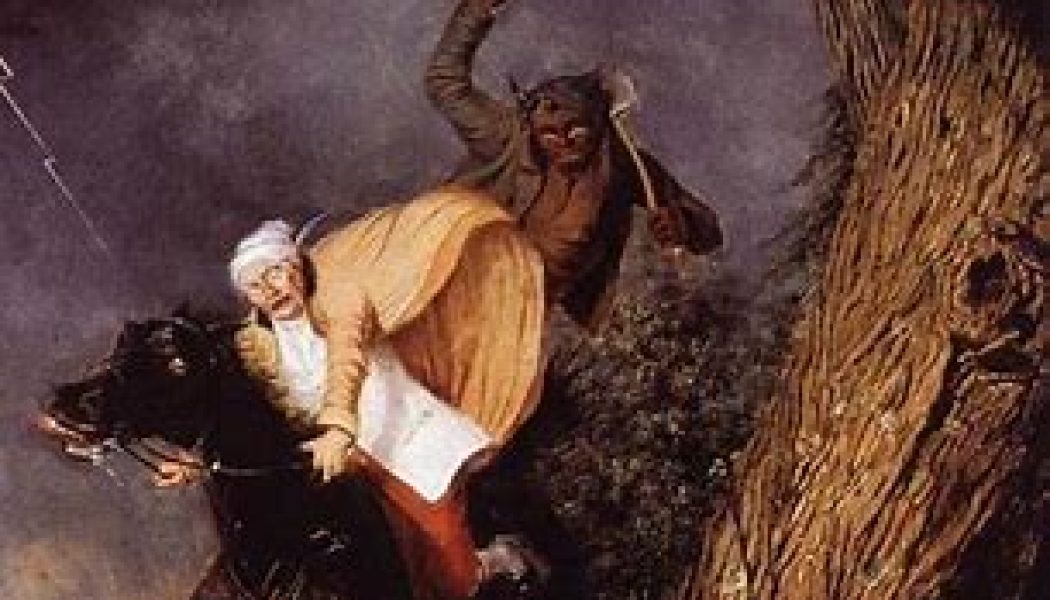

Devil’s Marks
The idea of the Devil’s mark has been important in the history of witchcraft, especially in European folklore and legal cases. During the European witch hunts, which lasted from the late Middle Ages i...
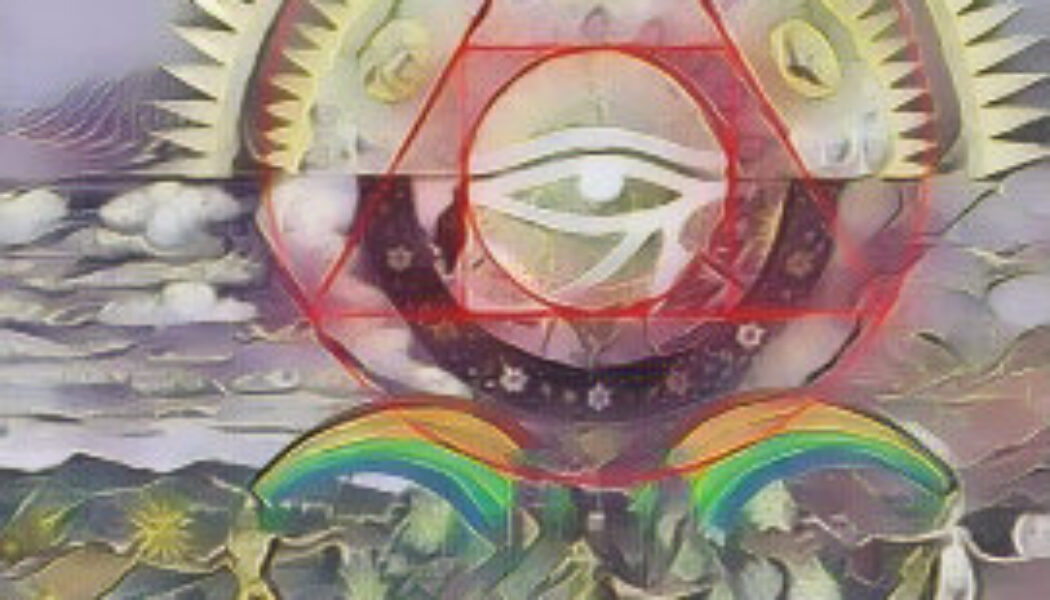

Hermetica Mystical Wisdom
The Hermetica is a collection of forty-two sacred books known for their mystical wisdom. These works are attributed to Hermes Trismegistus, a legendary figure whose name means “thrice great Hermes.” H...
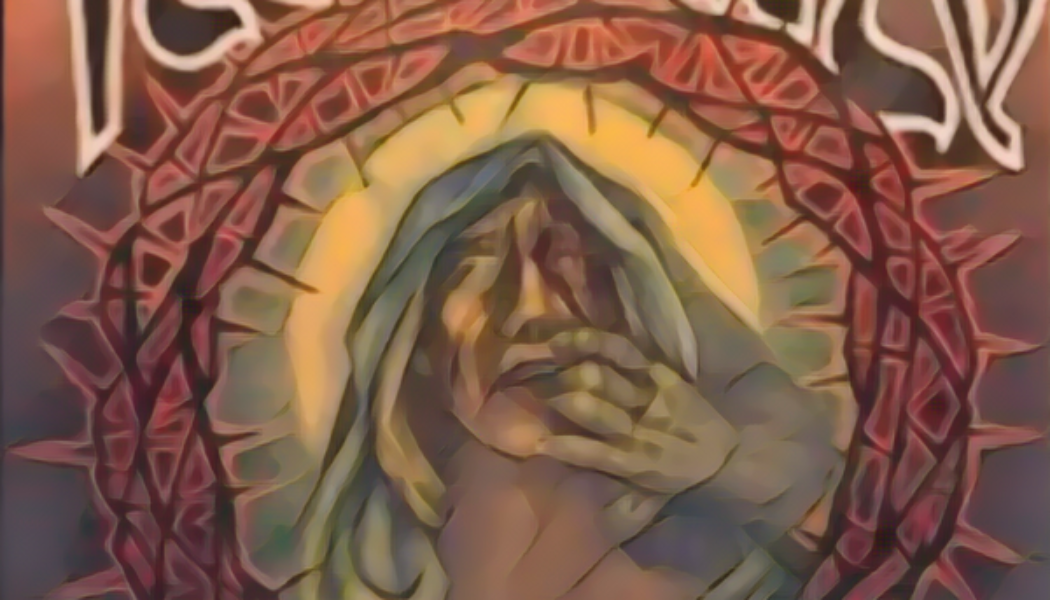

Allotriophagy
Throughout history, the phenomenon of vomiting or disgorging strange and often foul objects has been closely associated with cases of demonic possession, obsession, or witchcraft. In early modern Euro...
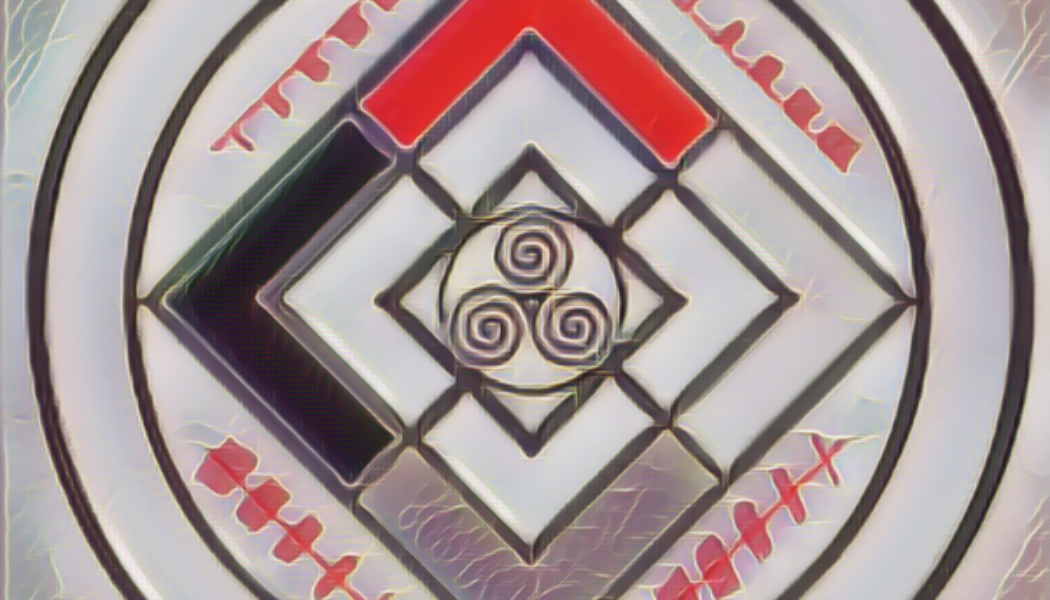

Airts, The Four
The word “Airt” comes from old Gaelic and refers to the four main directions: north, south, east, and west. These directions have been important in magical traditions for centuries, formin...

Aiguillette
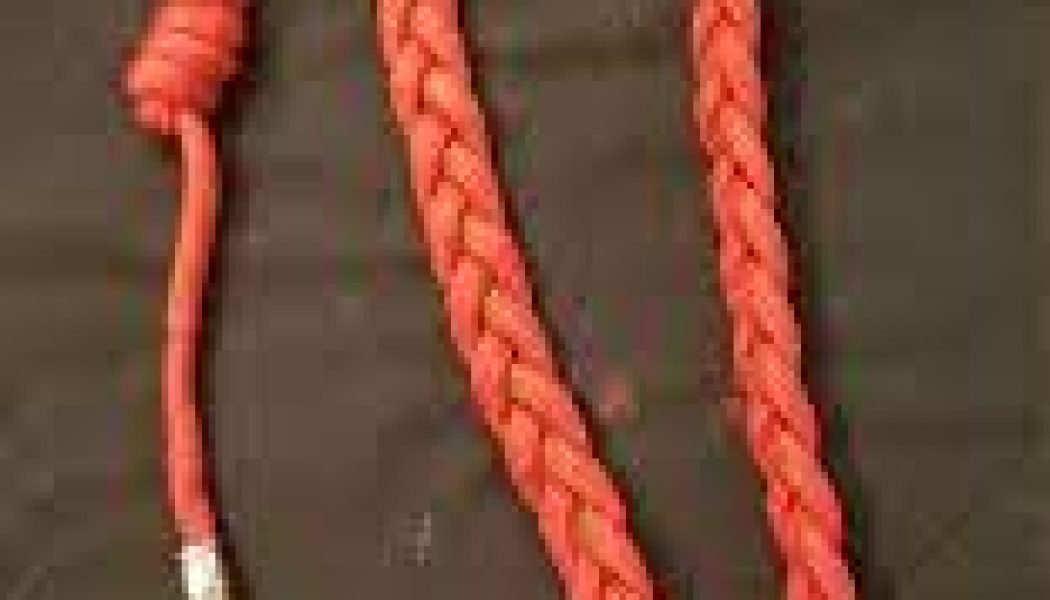
In 16th-century France, people believed that a simple knotted loop of thread, called a ligature or aiguillette, held strong magical powers. According to folklore and witchcraft traditions, witches cou...


Footprints
Across many magical traditions, footprints have been seen as powerful carriers of personal energy. The idea that a footprint holds a unique imprint of a person’s spirit or life force has inspired a va...

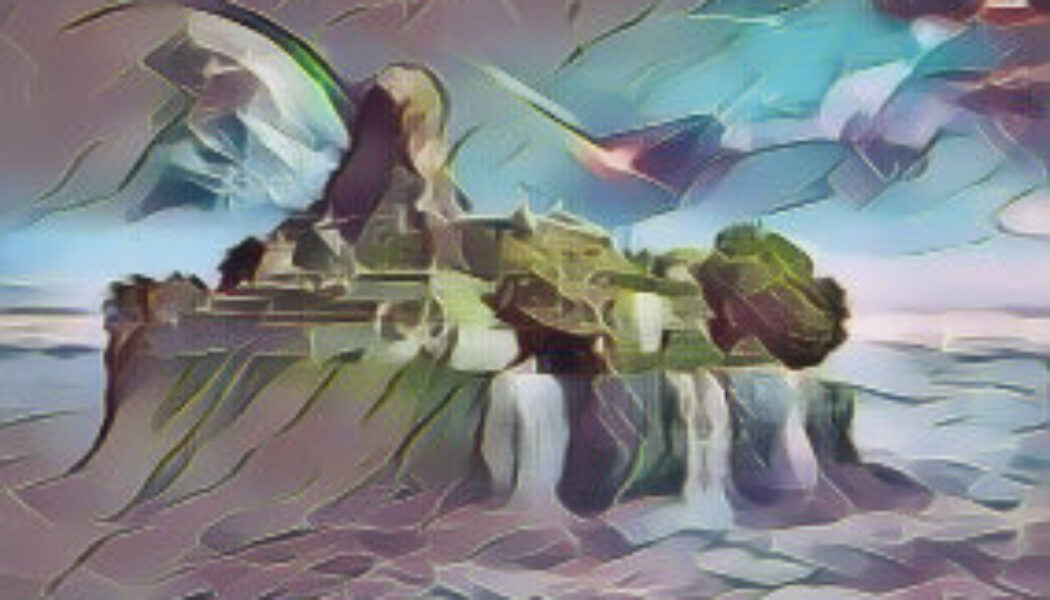

Avalon, The Ancient British Paradise
In the green hills of Somerset, there is a place that has inspired seekers, storytellers, and spiritual pilgrims for centuries: Avalon. This legendary isle is most widely known as the final resting pl...
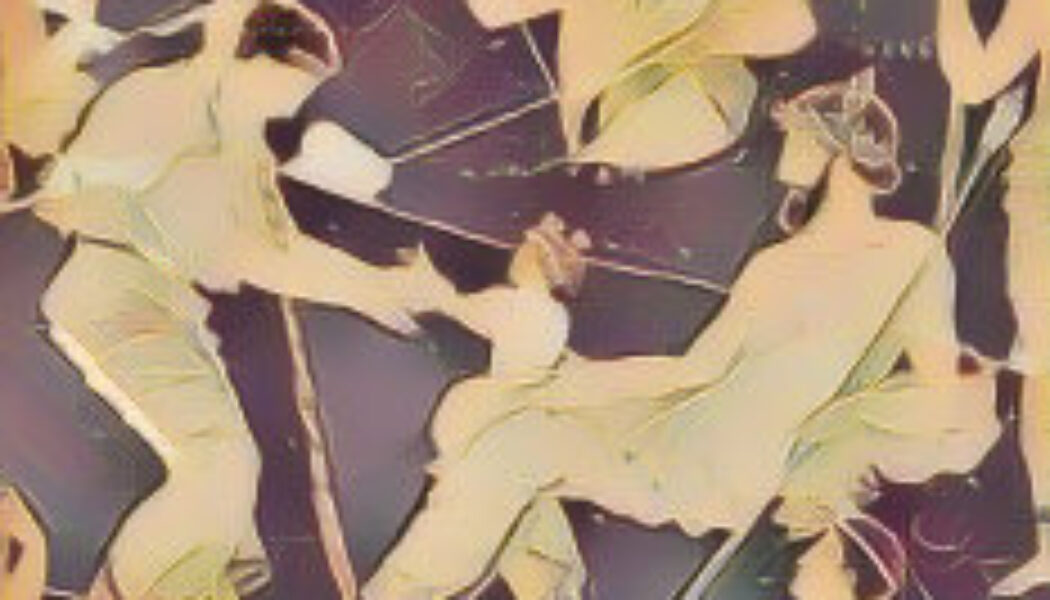

The Birth of Dionysus and the Twelve Days of Dionysos
In Orphic tradition, the Nativity, or Genethlia, of Dionysus is a deeply meaningful spiritual event. It is observed on the evening of December 24th and marks the beginning of twelve days dedicated to ...


The Dorset Ooser
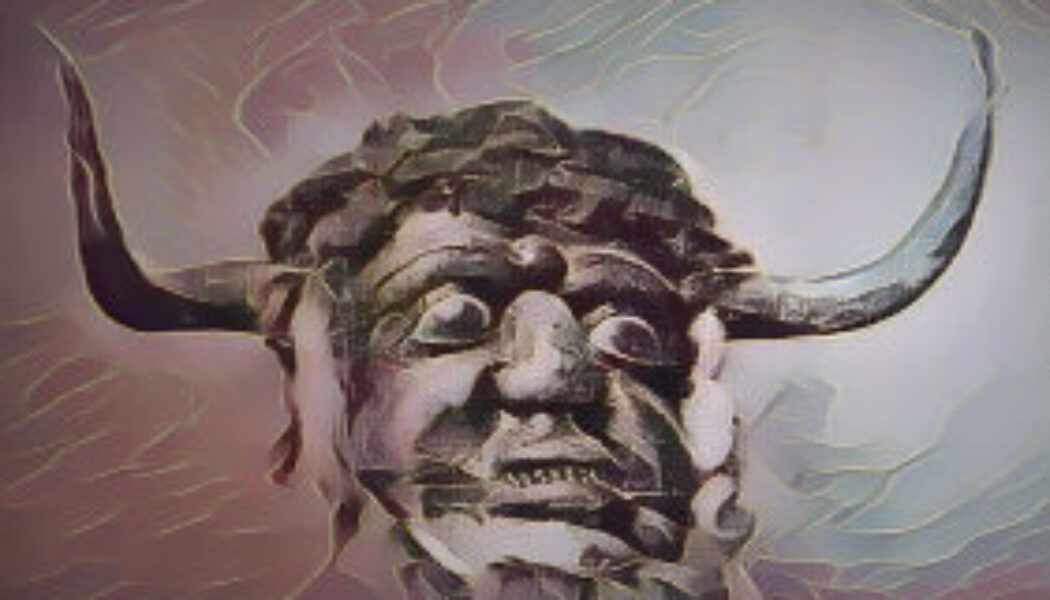
The Ooser was written about in Doreen Valiente’s ABC’s of Witchcraft aThe Dorset Ooser is a mysterious figure rooted in English folklore and witchcraft. Its story is detailed in Doreen Valiente’s R...

The Fetch Beast
In traditional witchcraft, the concept of the Fetch-Beast—sometimes called the Fetch-Wife—plays an important role. This entity is often described as the Underworld Self, representing a deep, instinctu...

The Powers of the Sphinx
In the world of magic, there are four main principles often called the Powers of the Sphinx: To Know, To Will, To Dare, and To Keep Silent. These ideas, described by the occultist Eliphas Lévi, are co...

Castle of Stone
The castles of our system are based on Grail Lore, but they also have representations in the none world. These castles are symbolic of the energies inherent in their names and attributed to them by my...